June 16, 2026
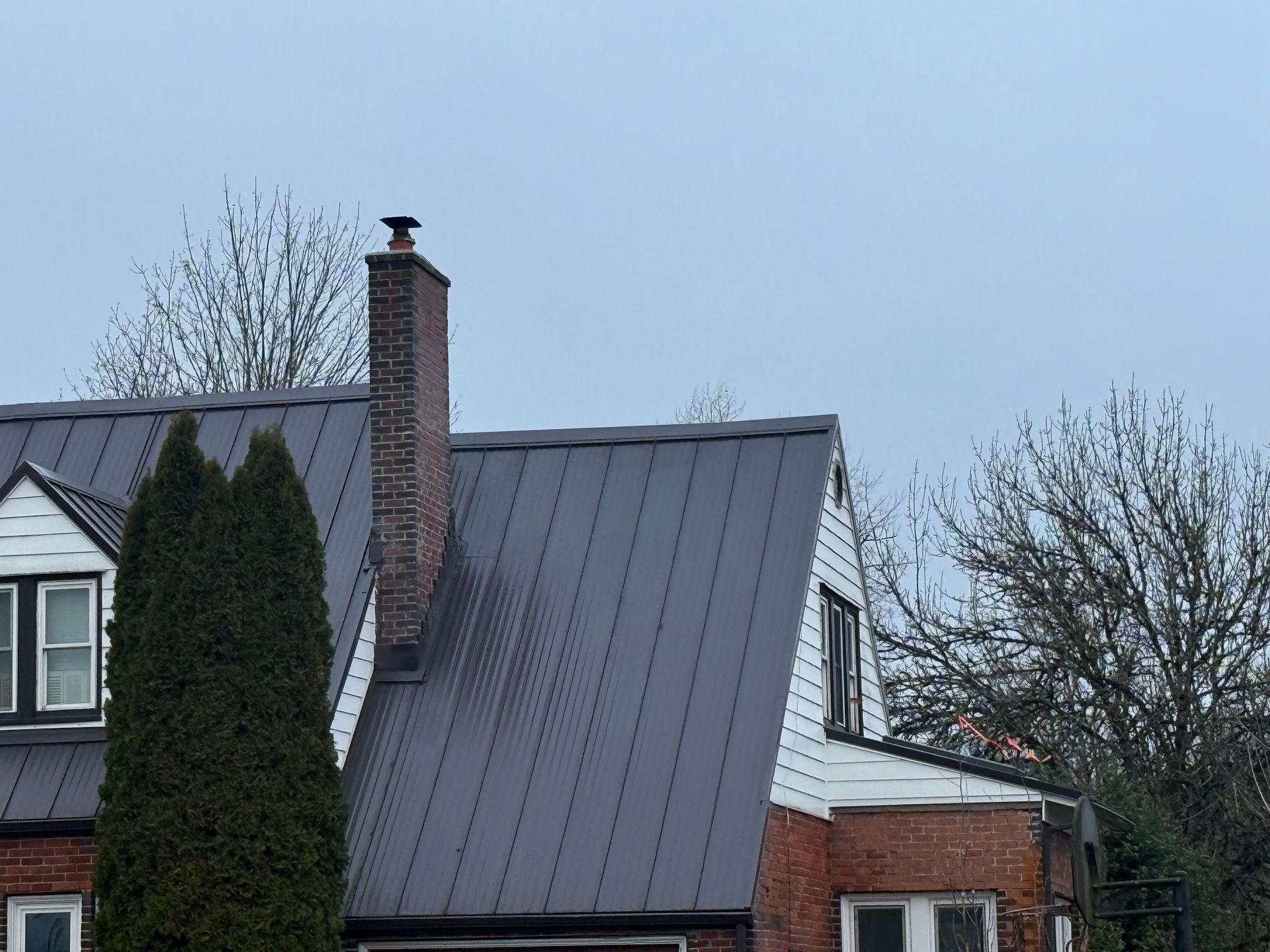
A metal roof is often considered one of the most durable roofing systems available to homeowners. Its strength, weather resistance, and long lifespan make it an attractive option for those looking for lasting protection and value. However, even the toughest roofing materials eventually reach a point where repairs are no longer enough to maintain reliable performance.
Knowing when to move forward with a roof replacement can help prevent costly structural damage, recurring leaks, and unexpected emergencies. While metal roofing is designed to withstand years of exposure to the elements, certain warning signs indicate that the system may be nearing the end of its service life.
According to This Old House, metal roofing systems are recognized for their impressive longevity and can frequently remain functional for 50 years or more when properly installed and maintained. However, even with this durability in mind, homeowners should still watch for indicators that suggest the roof is no longer providing the protection their property needs.
1. Extensive Corrosion and Surface Deterioration
Rust Is Spreading Across Multiple Areas
One of the most obvious signs that a metal roof may require replacement is widespread corrosion. While modern metal roofing materials are often manufactured with protective coatings that resist rust, those coatings can wear down over time. Once moisture begins making direct contact with the metal surface, oxidation can develop and gradually spread.
Small areas of rust are not always a cause for concern and can sometimes be addressed through localized repairs. However, when corrosion appears across multiple sections of the roof, it often indicates a larger problem. Rust weakens the structural integrity of metal panels and can eventually create openings that allow water infiltration.
As corrosion advances, the effectiveness of the roofing system declines. At that stage, investing in repeated repairs may become less practical than pursuing a complete roof replacement that restores long-term protection.
Protective Coatings Are Failing
Metal roofs rely heavily on factory-applied finishes and coatings to resist moisture, ultraviolet exposure, and temperature fluctuations. Over time, these protective layers can deteriorate due to constant weather exposure.
When coatings begin peeling, cracking, flaking, or fading significantly, the metal beneath becomes increasingly vulnerable. Homeowners may notice uneven discoloration, exposed metal surfaces, or areas where paint is separating from the panels.
A failing finish does more than affect appearance. It accelerates wear and creates conditions that encourage rust development. If coating failure affects a substantial portion of the roof, replacement may provide a more reliable solution than attempting extensive restoration work.
Panels Show Visible Weakness
As corrosion progresses, metal panels can lose strength and rigidity. Homeowners may notice warping, soft spots, dents that fail to recover, or areas that appear distorted.
These conditions often indicate that the roofing material has experienced prolonged deterioration. Structural weakness can compromise the roof's ability to withstand heavy rain, snow accumulation, strong winds, and other environmental stresses.
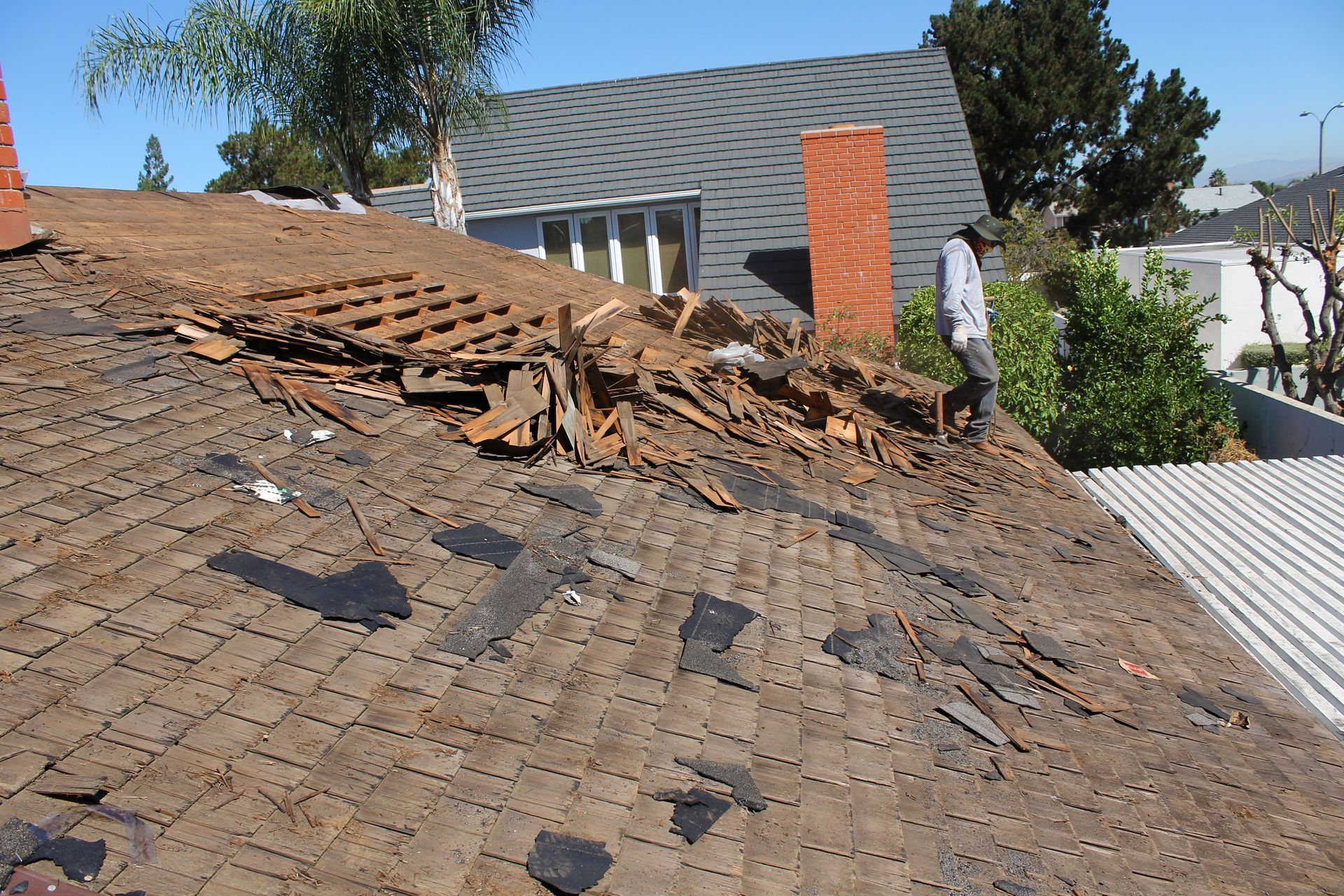
When multiple panels exhibit significant deterioration, roofing professionals may recommend a roof replacement rather than replacing individual sections. A comprehensive approach often provides better long-term performance and helps eliminate hidden vulnerabilities that could remain after piecemeal repairs.
2. Recurring Leaks and Water Intrusion
Water Is Entering the Home Repeatedly
Occasional leaks can occur on virtually any roofing system. In many situations, a targeted repair resolves the issue effectively. However, recurring leaks often signal more widespread roofing problems that require closer evaluation.
Metal roofs contain seams, fasteners, flashing components, and penetrations that can become vulnerable over time. As these elements age, multiple entry points for water may develop. Homeowners who continue addressing leaks in different locations may be dealing with systemic deterioration rather than isolated damage.
Persistent moisture intrusion can affect insulation, drywall, framing, and interior finishes. When leak-related issues continue despite previous repair efforts, a roof replacement may be the most effective way to restore dependable protection.
Seams and Fasteners Are Failing
Metal roofing systems depend on properly functioning seams and fasteners to maintain weather resistance. Over years of expansion and contraction caused by temperature changes, these components can loosen, separate, or wear out.
Loose fasteners may create small openings that allow water penetration. Similarly, deteriorated seams can compromise large sections of the roofing system. While limited issues may be repairable, widespread seam or fastener failure often indicates that the roof has reached a stage where replacement deserves consideration.
A roofing inspection can determine whether the damage is localized or if the overall system is experiencing age-related decline. In many cases, recurring seam failures point toward the need for a more comprehensive solution.
Interior Moisture Problems Continue to Grow
Water intrusion rarely remains confined to the roof itself. Once moisture enters the home, secondary issues often begin to emerge. Homeowners may notice stained ceilings, peeling paint, mold growth, warped wood, or damp insulation.
These symptoms suggest that water has been entering the structure for an extended period. Even if the leak source appears minor, ongoing moisture exposure can lead to significant damage behind walls and above ceilings.
When moisture-related issues continue appearing despite repair attempts, property owners should consider whether continued patching remains cost-effective. A professional assessment may reveal that a roof replacement offers a more practical long-term investment than addressing recurring interior and exterior damage.
3. Aging Materials and Declining Performance
Energy Efficiency Has Decreased
Many homeowners choose metal roofing because of its ability to contribute to energy efficiency. Reflective surfaces can help reduce heat absorption and support more stable indoor temperatures.
As roofing materials age, however, their performance can gradually decline. Deteriorated coatings, damaged panels, and worn components may reduce the roof's ability to manage heat effectively. Homeowners sometimes notice higher cooling or heating expenses without obvious changes in household energy usage.
While several factors can influence utility costs, declining roofing performance may be one of them. If inspections reveal extensive wear throughout the system, a roof replacement could help restore efficiency while improving overall protection.
The Roof Has Reached an Advanced Age
Age alone does not automatically mean a roof must be replaced. Many metal roofs continue performing well for decades when properly maintained. However, every roofing system eventually reaches a stage where wear accumulates faster than repairs can reasonably address.
Older roofs may develop multiple issues simultaneously, including corrosion, seam separation, fastener deterioration, and weather-related damage. When these concerns begin occurring together, replacement often becomes the more economical option.
Routine inspections become increasingly important as a roof ages. Professional evaluations can help homeowners determine whether continued maintenance remains practical or whether a full roof replacement would better serve their property's needs.
Storm Damage Is Becoming More Significant
Metal roofs are designed to withstand challenging weather conditions, including heavy rain, snow, and strong winds. Nevertheless, decades of exposure can gradually reduce their resilience.
Repeated storm events may leave behind dents, displaced panels, damaged flashing, or compromised seams. While isolated damage can often be repaired, widespread storm-related deterioration may indicate that the roof can no longer provide dependable protection.
When major weather events repeatedly expose weaknesses in the roofing system, replacement may offer greater peace of mind and reduce the likelihood of future repair expenses. A newer roof can provide improved durability while helping protect the home's structure for years to come.
Metal roofing is known for exceptional longevity, but no roofing system lasts forever. Recognizing the warning signs of widespread corrosion, recurring leaks, and age-related performance decline can help homeowners make informed decisions before small problems become major expenses.
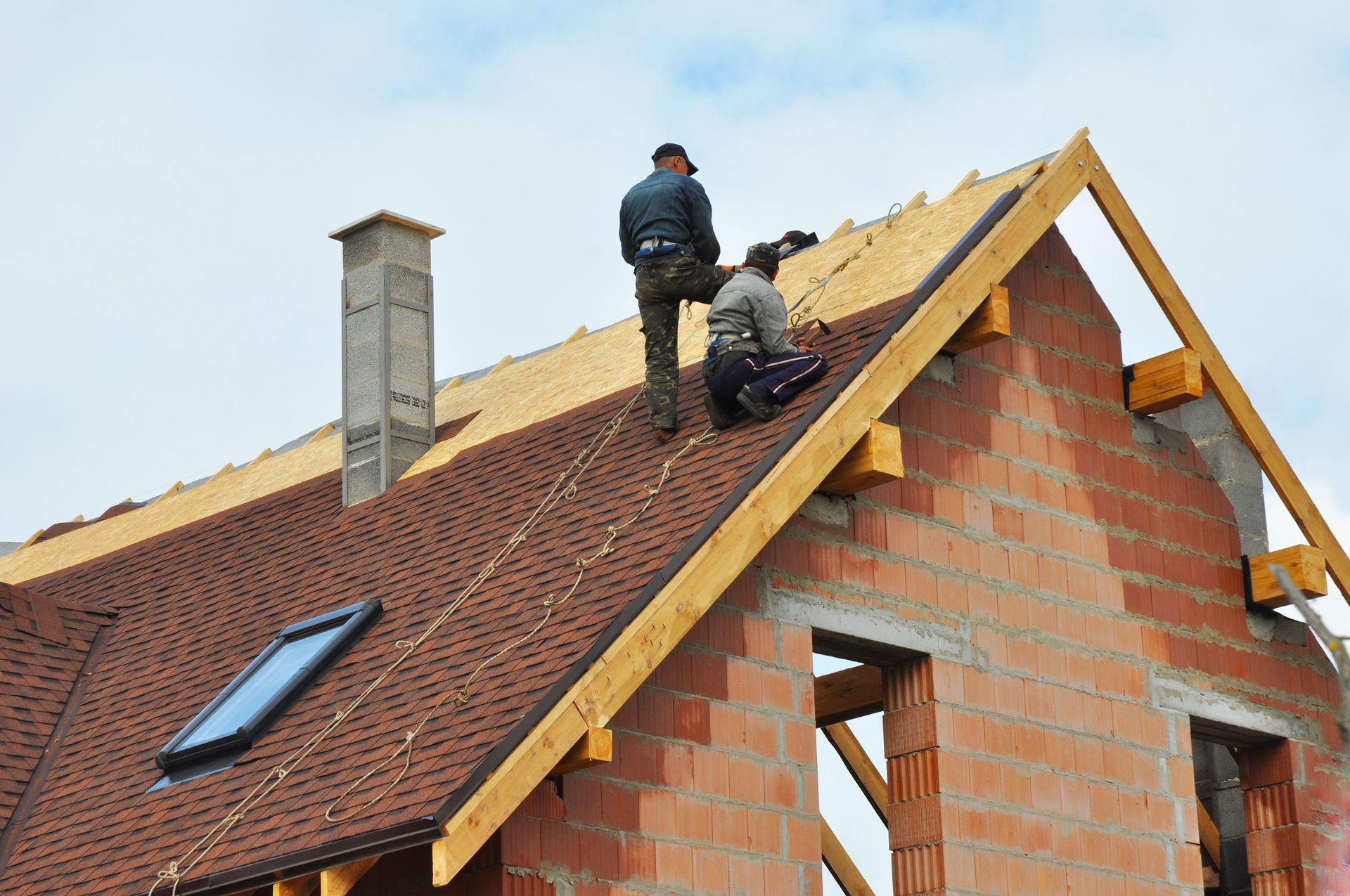
If your roof is showing multiple signs of deterioration, scheduling a professional inspection is an important first step. An experienced roofing contractor can assess the condition of the system, identify underlying concerns, and determine whether repairs remain viable or if a roof replacement is the most effective path forward. Taking action at the right time helps protect your home, preserve its value, and ensure reliable protection through every season. For roofing experts you can rely on to replace your metal roof, reach out to 2nd Chance Roof & Chimney LLC!