January 21, 2026
When it comes to maintaining a safe, durable, and efficient home, few tasks are as important as understanding the different forms of roof repair your property may eventually require. Roofs endure constant exposure to weather, temperature fluctuations, and natural aging, which means issues can arise at any time. Whether you're preparing for seasonal inspections, noticing small warning signs, or planning for a larger renovation, learning about common repair types empowers you to make proactive decisions. Knowing what to expect helps prevent minor concerns from developing into major structural problems and allows you to work more confidently with roofing professionals. According to HomeGuide.com, roof estimates are often quoted by the square foot. One square covers 100 square feet. This crucial fact highlights why understanding the scope of your needed work matters before requesting estimates. In the sections below, you’ll discover the most common types of roof repair services, how they benefit your home, and why timely action protects your investment long-term.
1. Repairing Damaged or Missing Shingles
One of the most frequent types of roof repair involves addressing damaged or missing shingles. Over time, shingles can warp, crack, loosen, or completely detach due to severe weather, UV exposure, or simple aging. When shingles no longer provide adequate coverage, your roof becomes vulnerable to leaks and moisture infiltration. Even a single missing shingle can compromise the surrounding materials and lead to widespread deterioration if ignored. Repairing this damage quickly ensures the protective barrier remains intact and continues to shield your home from the elements.
In addition to preventing water damage, replacing missing or damaged shingles helps preserve the aesthetic appeal of your home. Mismatched or deteriorated shingles can be noticeable from the street and reduce curb appeal. By promptly restoring these areas, homeowners maintain both structural reliability and visual harmony. A roofing professional can determine whether a spot repair is sufficient or if a larger portion of the surface requires attention to maintain uniformity and long-term stability.
2. Repairing Roof Leaks and Water Intrusion
Another essential category of roof repair involves locating and fixing leaks. Even small leaks can lead to extensive damage when left untreated. Moisture can seep into insulation, drywall, electrical systems, and even structural components, causing rot, mold growth, and compromised safety. Because water often travels along beams before dripping into living spaces, leaks may appear far from their source, making professional diagnosis especially important.
Leak repairs typically involve identifying the origin point, removing compromised materials, and sealing or replacing problem areas. This may include replacing flashing, sealing around chimneys or vents, or addressing deteriorated underlayment. Because water damage compounds quickly, early detection is key. Homeowners who schedule routine inspections often uncover minor leaks before they escalate into expensive repairs or health hazards, safeguarding the home’s structure and interior finishes.
3. Repairing Flashing Around Chimneys, Skylights, and Vents
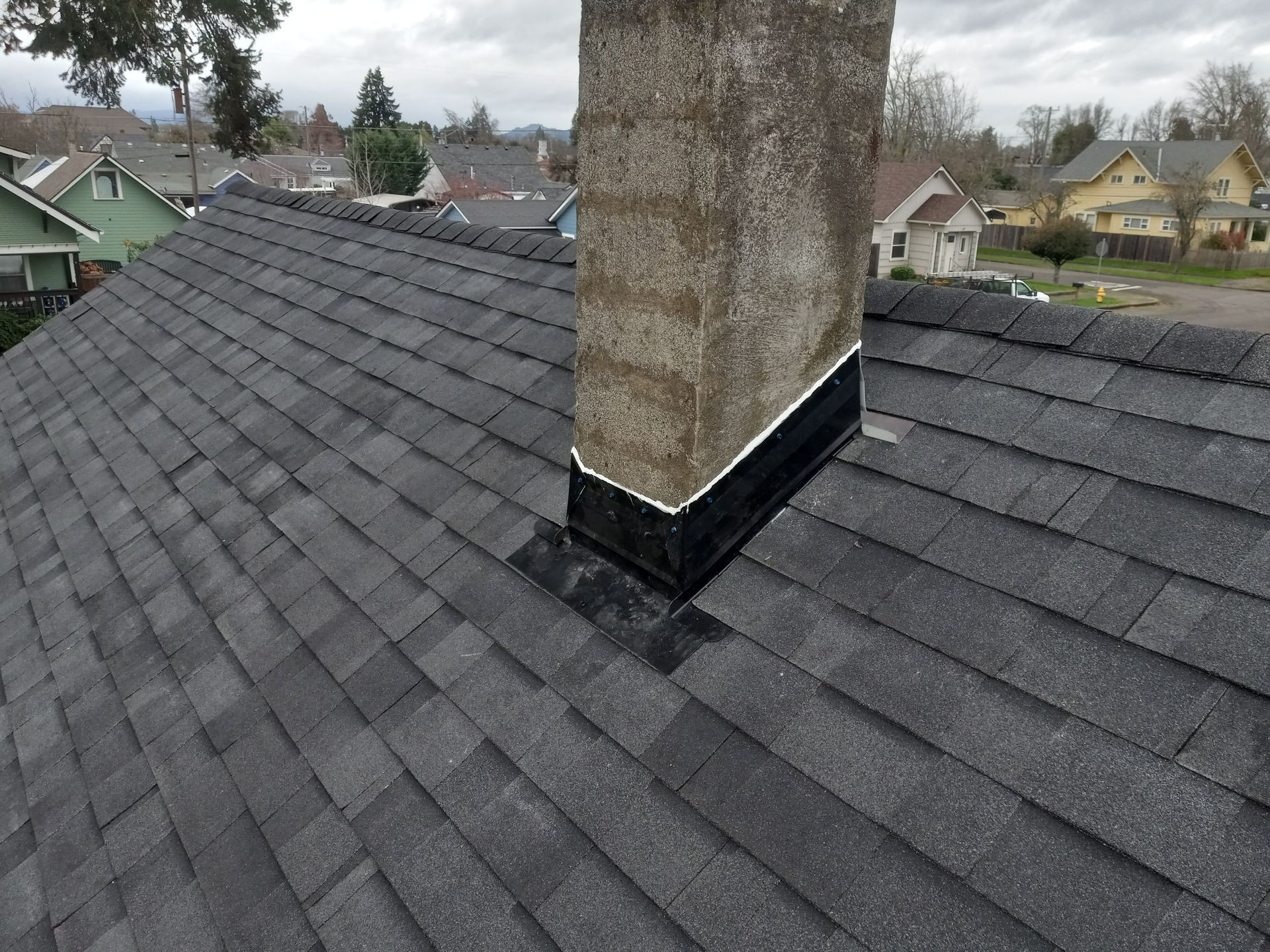
Roof flashing plays a critical role in preventing water infiltration around vulnerable openings. Flashing is commonly found around chimneys, skylights, dormers, valleys, and vent pipes. When flashing becomes loose, corroded, or improperly installed, water can easily penetrate beneath roofing materials, causing damage that remains hidden until it becomes severe. Flashing-related leaks are some of the most common and yet most preventable issues addressed during roof repair services.
Repairing flashing involves resealing joints, replacing damaged sections, or installing new metal components that redirect water away from seams and openings. Properly functioning flashing helps ensure that high-risk areas remain watertight throughout heavy rainfall and seasonal storms. Because these areas naturally collect and channel large amounts of water, maintaining strong flashing is one of the best strategies for extending roof life and minimizing interior damage.
4. Repairing Structural Damage Beneath Roofing Materials
In some cases, roof repair must extend beyond surface materials and address problems within the roof deck or framing. Structural damage can occur from long-term moisture exposure, pest infestation, or the weight of accumulated snow and ice. When decking becomes soft, warped, or decayed, it can no longer support shingles or underlayment effectively. This leads to sagging areas, uneven roof lines, or the potential for collapse in difficult situations.
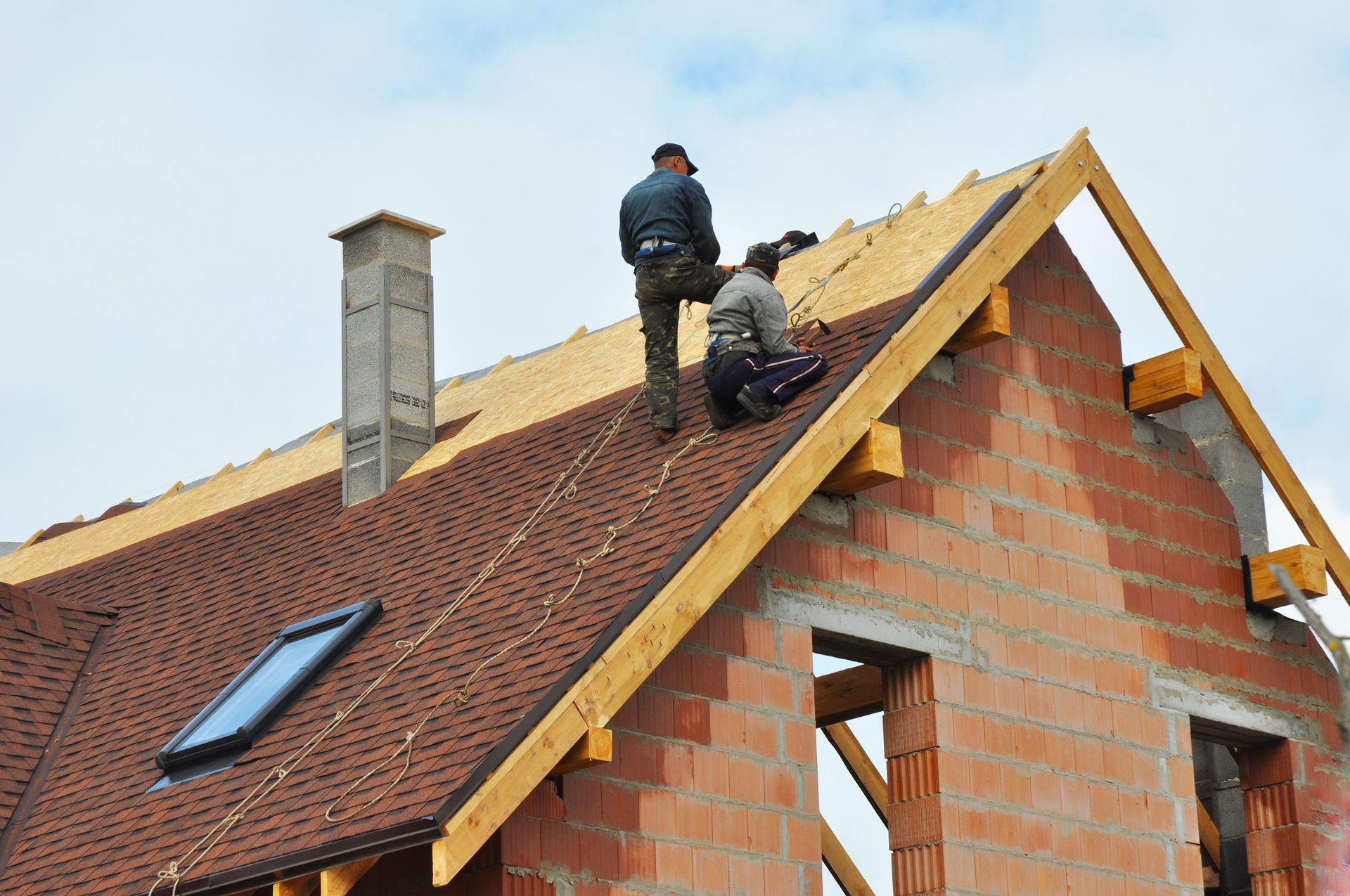
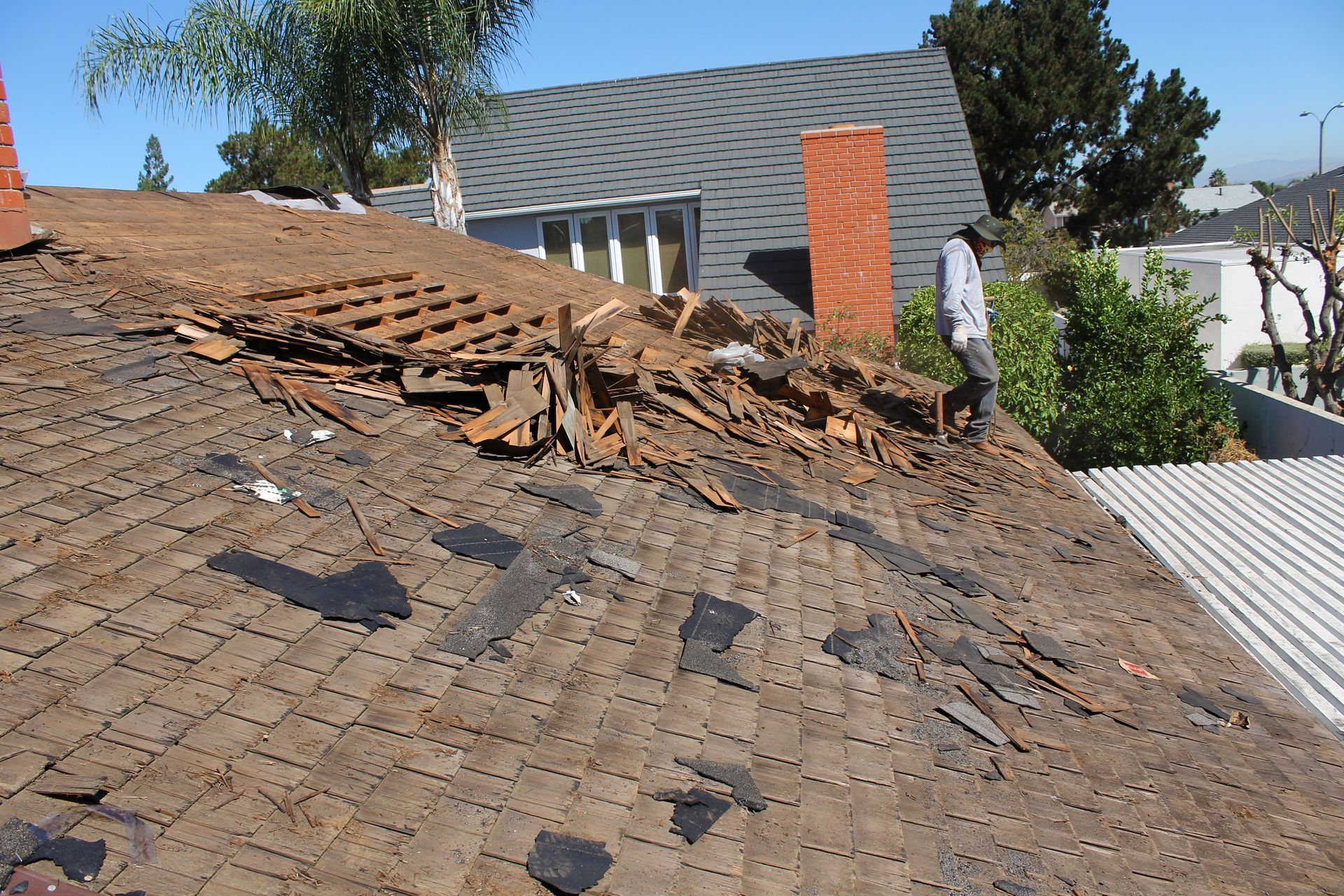
Repairing structural issues often involves removing roofing materials, replacing damaged plywood or beams, and reinforcing weakened areas before reinstallation. Although this type of repair is more extensive than a surface fix, addressing structural damage early prevents more costly reconstruction later. It also restores the roof’s stability and ensures it can safely support new materials. Homeowners benefit from working with experienced professionals who can identify hidden issues and provide long-lasting solutions that uphold safety and function.
5. Repairing Issues Caused by Poor Ventilation
Ventilation is a critical yet often overlooked component of roofing health. Without proper airflow through the attic and roof system, heat and moisture can build up beneath the surface, accelerating shingle deterioration and promoting mold growth. Poor ventilation can also increase energy costs by making heating and cooling systems work harder to regulate indoor temperatures. Because ventilation problems can affect the entire roof system, they frequently require specialized roof repair techniques.
Repairs may include adding or replacing ridge vents, soffit vents, or attic fans to ensure consistent airflow. Improving ventilation helps regulate moisture levels, reduces the risk of ice dams in winter, and prolongs the life of roofing materials. Homeowners who invest in these repairs often see significant improvements in indoor comfort and roofing performance. Addressing ventilation issues is a proactive way to prevent long-term roof damage and improve energy efficiency.
6. Repairing Storm and Wind Damage
Severe weather is one of the leading causes of sudden roofing failures. High winds, hail, heavy rain, and debris can tear shingles off, dent metal surfaces, crack tiles, or dislodge gutters. After a major storm, many homeowners require immediate roof repair to prevent additional damage. Ignoring storm-related issues can quickly lead to leaks, mold growth, and deterioration underneath the surface materials.
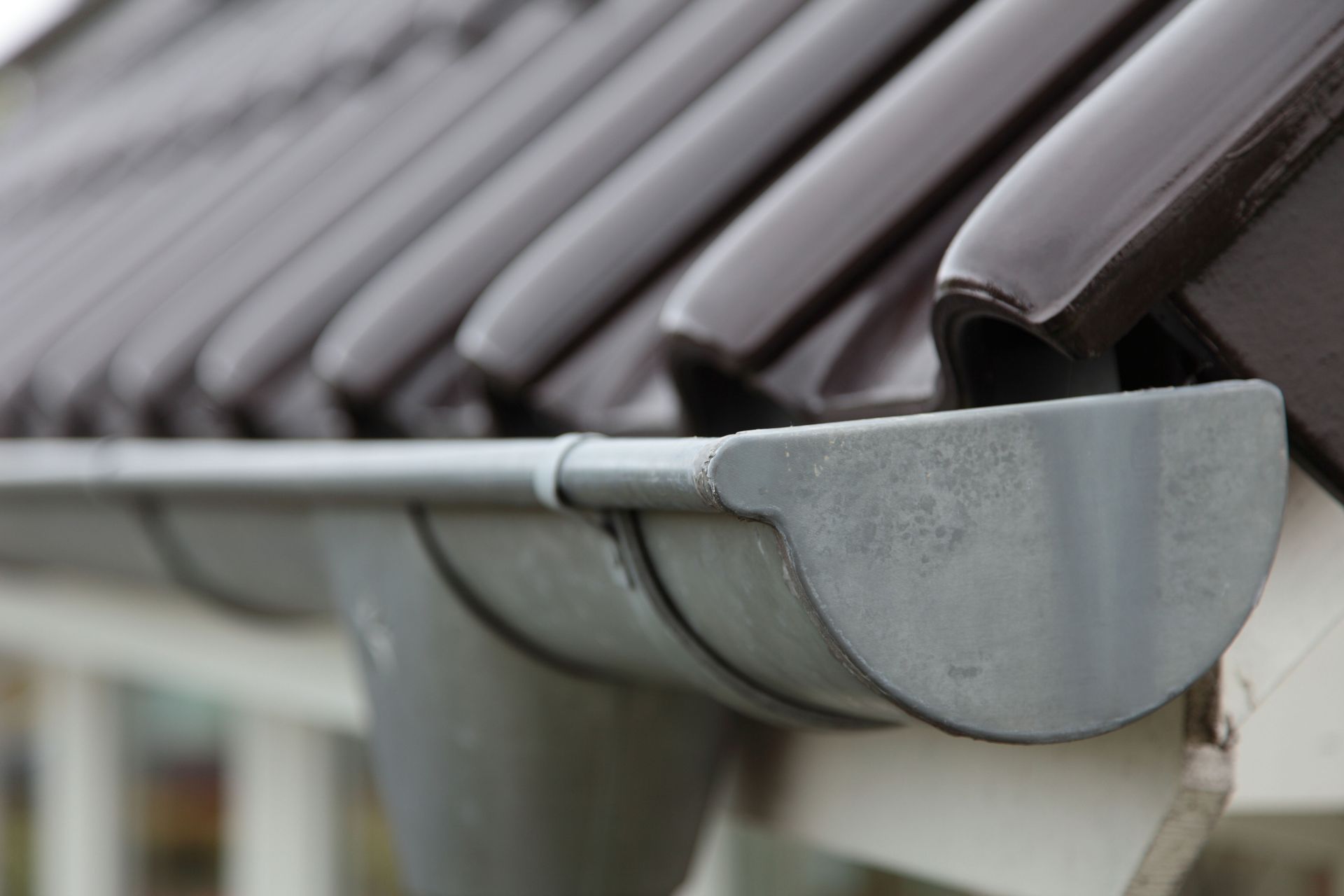
Repairing storm damage typically involves replacing torn shingles, sealing exposed areas, repairing gutters, and evaluating the roof for hidden structural issues. Because storm damage may not always be visible from the ground, professional inspections are essential. Fast action can prevent secondary problems, ensure insurance claims are properly documented, and restore your home’s protection promptly. For homeowners in storm-prone regions, preparing for potential repairs is a crucial part of maintaining roof performance year-round.
Understanding these common types of roof repair services allows homeowners to make informed decisions, respond quickly to emerging problems, and preserve the integrity of their homes. Whether you’re dealing with damaged shingles, hidden leaks, compromised flashing, ventilation challenges, structural deterioration, or storm-related issues, timely intervention makes all the difference. Each repair type plays an important role in maintaining safety, efficiency, and long-term value. Taking action early not only prevents costly damage but also helps ensure your roofing system remains strong through every season.
Proactively learning about these issues also gives homeowners greater confidence when consulting professionals and evaluating estimates or recommendations. By recognizing early warning signs and understanding how different repair types affect the overall structure, you can better plan for maintenance, prevent unnecessary expenses, and extend the life of your roofing system. Being informed empowers you to take control of your home’s long-term protection. If you need reliable, professional help, contact 2nd Chance Roof & Chimney LLC today. We look forward to hearing from you!