June 21, 2026
As the global landscape shifts toward sustainable energy solutions, solar panels are becoming an increasingly popular choice for homeowners looking to reduce their carbon footprint and lower monthly utility costs. However, transitioning to solar energy involves much more than simply purchasing photovoltaic modules and mounting them to your property. It requires meticulous planning, detailed preparation, and occasionally, significant structural modifications to ensure your home can support the system for decades to come.
Failing to evaluate the underlying support structure can lead to severe structural issues and costly logistics down the road. To prevent these complications, property owners must take a proactive approach by aligning their upcoming residential upgrade plans with their long-term clean energy goals.
Evaluating Roof Longevity
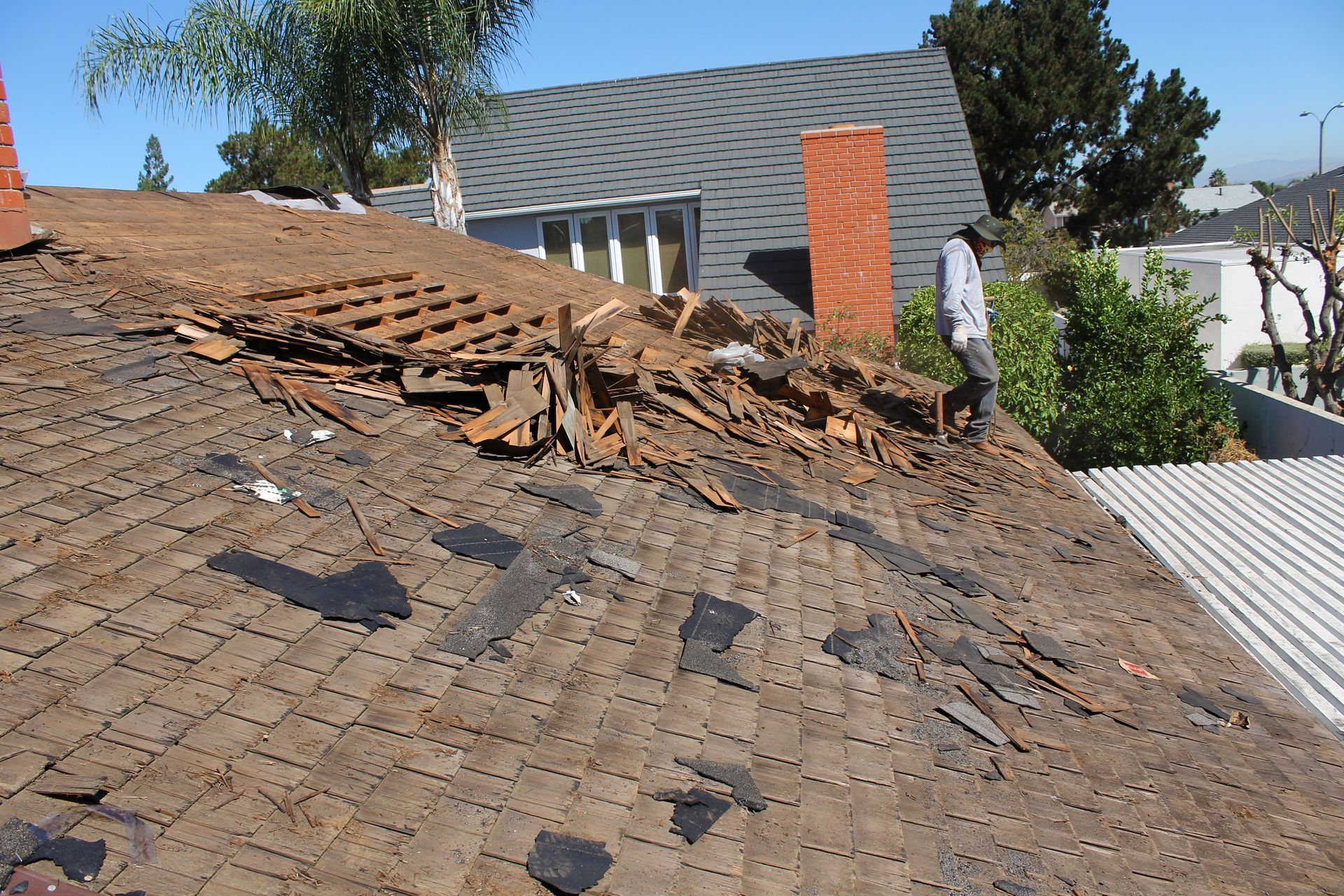
The age and physical condition of your existing residential structure represent the most critical starting points when planning a clean energy transition. Before any mounting brackets are fastened, a comprehensive evaluation must be conducted to determine whether the surface can outlast the twenty-five-year lifespan typical of modern solar arrays. If the current surface is already showing signs of advanced wear or has been in service for more than fifteen years, performing a full roof replacement prior to adding solar panels is the most financially sound strategy.
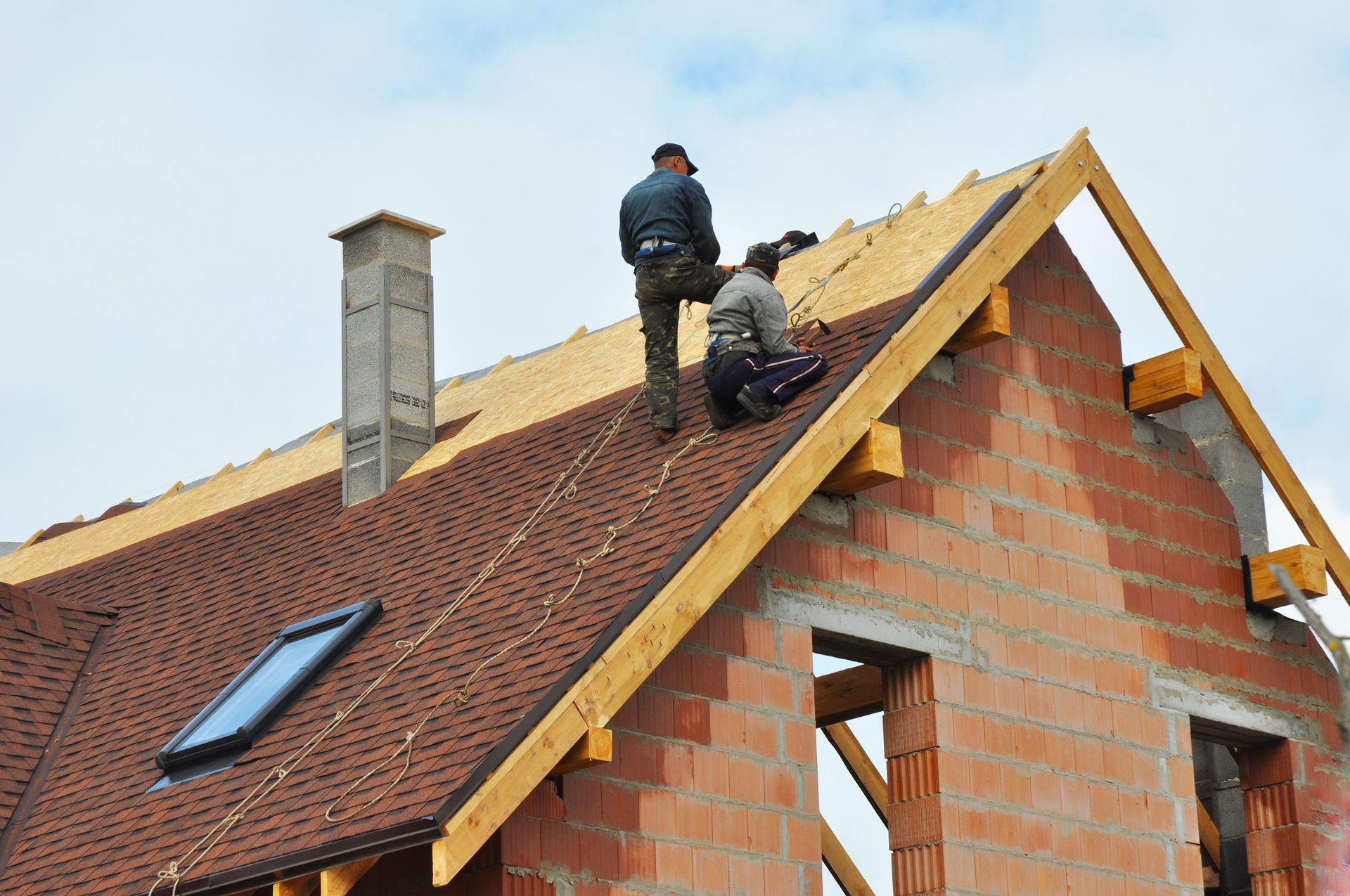
Furthermore, a detailed inspection must look beyond surface aesthetics to identify underlying issues such as trapped moisture, rotting decking, or structural sagging. Water stains on interior ceilings, damp attic insulation, or mold growth indicate compromises in the protective barrier that must be addressed immediately. Resolving these issues through a complete roof replacement guarantees that the underlying platform is perfectly sound, preventing the need for premature, highly disruptive teardowns of your new solar technology.
Optimizing Surface Layouts
Maximizing the energy production of a solar array requires an unobstructed, properly oriented surface area that accommodates the spatial dimensions of your specific building materials. The structural orientation and pitch dictate how much direct sunlight the photovoltaic cells will receive throughout the changing seasons. South-facing orientations remain ideal in the northern hemisphere, but east and west-facing surfaces can also yield sufficient power if the overall layout accounts for seasonal shading patterns caused by chimneys, vent pipes, or nearby trees.
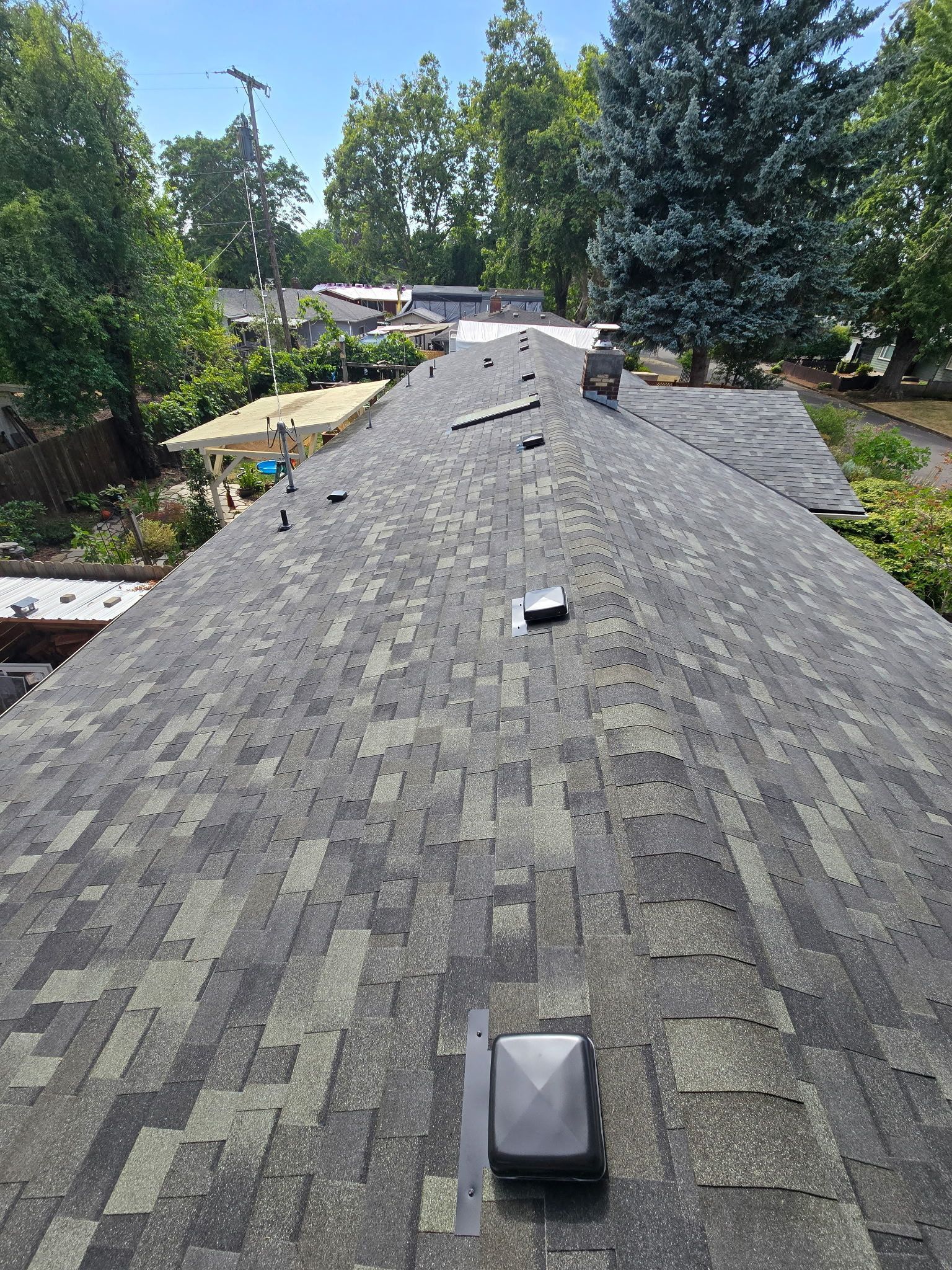
During the spatial mapping phase, designers must closely analyze how specific building materials fit together across the available area. Asphalt shingles are one of the most common roofing materials in residential areas due to their cost-effectiveness and reliability. This roofing type can support solar panel installation readily when their length (typically 12 by 36 inches, according to This Old House) is considered during planning. Pre-existing shingle roofs might require additional waterproofing layers or replacement if nearing the end of their lifespan.
Strengthening Internal Supports
Solar panel arrays introduce significant static and dynamic weight that a residential framework must be capable of bearing continuously. Static weight refers to the permanent dead load of the panels, mounting racks, and hardware, while dynamic weight includes the variable forces applied by local wind gusts and heavy snow accumulation. A professional structural engineering assessment is necessary to determine if the internal rafters and trusses require physical reinforcement before any solar equipment is integrated.
When the internal framework is deemed insufficient for these combined loads, reinforcement strategies must be implemented across the support system. This process often involves sistering existing rafters, adding collar ties, or installing supplemental bracing to distribute the weight evenly across the load-bearing walls.
Coordinating Electrical Integration
Pre-installation planning must seamlessly bridge the gap between the external solar array and the internal electrical infrastructure of the home. This requires mapping out the exact pathways for conduits and wiring from the roof down to the central inverter and main electrical panel.
At the same time, the existing electrical service panel must be evaluated to ensure it possesses the capacity to handle the dual-directional power flow associated with solar generation. Older homes with sixty-amp or one-hundred-amp panels frequently require an upgrade to a modern two-hundred-amp service to safely accommodate net metering and potential future battery storage systems. Executing these electrical upgrades in tandem with a roof replacement streamlines the construction timeline and minimizes interruptions to your daily household power supply.
Navigating Regulatory Frameworks
Achieving full compliance with local building codes, municipal zoning laws, and neighborhood regulations is a mandatory hurdle that must be cleared before construction begins. Municipalities require detailed engineering drawings and structural calculations to issue the necessary building and electrical permits.
Homeowners associations also enforce distinct regulations regarding the visibility of solar arrays from the street, necessitating early communication and formal design submissions to avoid legal disputes. Navigating these bureaucratic channels requires meticulous documentation and a clear understanding of regional utility interconnection policies. By addressing these legal requirements early in the design phase, property owners can avoid unexpected fines, project delays, or forced modifications to completed installations.
Mitigating Severe Weather Risk
Protecting a residential investment requires a deep understanding of regional climate challenges and how they interact with multi-layered roof assemblies. High wind zones demand specialized fastening techniques for both the traditional building materials and the solar racking systems to prevent severe uplift pressures during storms.
In colder regions, the accumulation of snow and ice introduces heavy loads that require specific weight distribution strategies. Solar panels often cause snow to slide off in large sheets, meaning that gutters, lower roof tiers, and underlying entryways must be fortified to handle sudden impacts. Integrating rugged snow guards and reinforcing the lower eaves during a comprehensive roof replacement ensures the home remains perfectly safe and intact through harsh winters.
Enhancing Thermal Performance
The intersection of clean energy and home insulation offers a prime opportunity to dramatically improve total household efficiency. When planning an upgrade, adding advanced radiant barriers or upgraded attic insulation directly beneath the active surface area can prevent heat transfer into living spaces.
However, panels also require a continuous gap of moving air underneath them to prevent performance drops caused by excessive heat build-up. Designing a balanced system of ridge vents and soffit ventilation allows fresh air to circulate freely beneath the entire array, keeping the photovoltaic cells running at peak performance. Combining these ventilation upgrades with a timely roof replacement maximizes the lifespan of your materials while driving down overall energy demands.
Aligning Financial Timelines
Coordinating the life cycles of your building assets with your long-term financial planning yields substantial savings over time. Installing a solar array that lasts twenty-five years on top of an older surface that only has five years of remaining utility is a costly mistake that erodes the return on your investment.
Additionally, standard financing packages and federal clean energy tax credits can frequently be leveraged together when residential renovations are performed concurrently. Many local utility programs and municipal grants offer paired incentives for homeowners who improve their structural efficiency while installing renewable generation systems. Taking advantage of these combined financial mechanisms during a roof replacement allows you to achieve a faster payback period and immediate monthly savings.
Minimizing Construction Disruption
Executing multiple large-scale home improvement projects can be incredibly stressful for residents if the construction timelines are poorly managed. Staging the work sequentially under a unified plan allows contractors to share scaffolding, staging areas, and heavy lifting equipment like cranes or telehandlers.
A well-coordinated installation schedule also protects newly installed materials from unnecessary foot traffic and accidental tool drops. When the team finishes laying the new shingles or metal panels, the solar installers can immediately follow behind to secure the mounting brackets onto a pristine surface. Approaching the project through this synchronized deployment strategy prevents accidental damage, keeps manufacturer warranties fully intact, and ensures a seamless transition to a fully functional home.
Preparing a home for a solar transition demands an all-encompassing strategy that addresses structural capacity, material longevity, electrical architecture, and regulatory mandates. Investing in a professional roof replacement before installing a solar array prevents the financial nightmare of removing panels for structural work later on, ensuring your investment remains secure. To guarantee your home is fully optimized for a sustainable future, contact 2nd Chance Roof & Chimney LLC today to connect with certified structural specialists and schedule a comprehensive evaluation of your property.