August 7, 2026
Chimney flashing is one of the most important protective details on a roof because it seals the area where the chimney meets the roofing surface. This intersection is especially vulnerable to water because rain, melting snow, and ice naturally collect around the chimney base. When flashing is installed correctly, it directs moisture away from the structure and prevents it from reaching the roof deck, attic, ceilings, and walls. When it becomes loose, corroded, cracked, or improperly sealed, water can enter through even a small opening. The resulting damage may spread quietly before visible stains or leaks appear indoors. Recognizing the warning signs of bad chimney flashing and arranging professional roof repair can help protect the home from structural deterioration, mold growth, insulation damage, and expensive interior restoration.
Recognizing Early Signs of Flashing Failure
Chimney flashing problems often begin with subtle warning signs. Homeowners may notice discoloration on ceilings or walls near the fireplace, damp odors in the attic, peeling paint, or watermarks that appear after heavy rain. These symptoms can be confusing because the visible moisture may not be located directly beneath the point where water entered. Once water moves through the roofing system, it may travel along rafters, decking, or framing before reaching an interior surface.
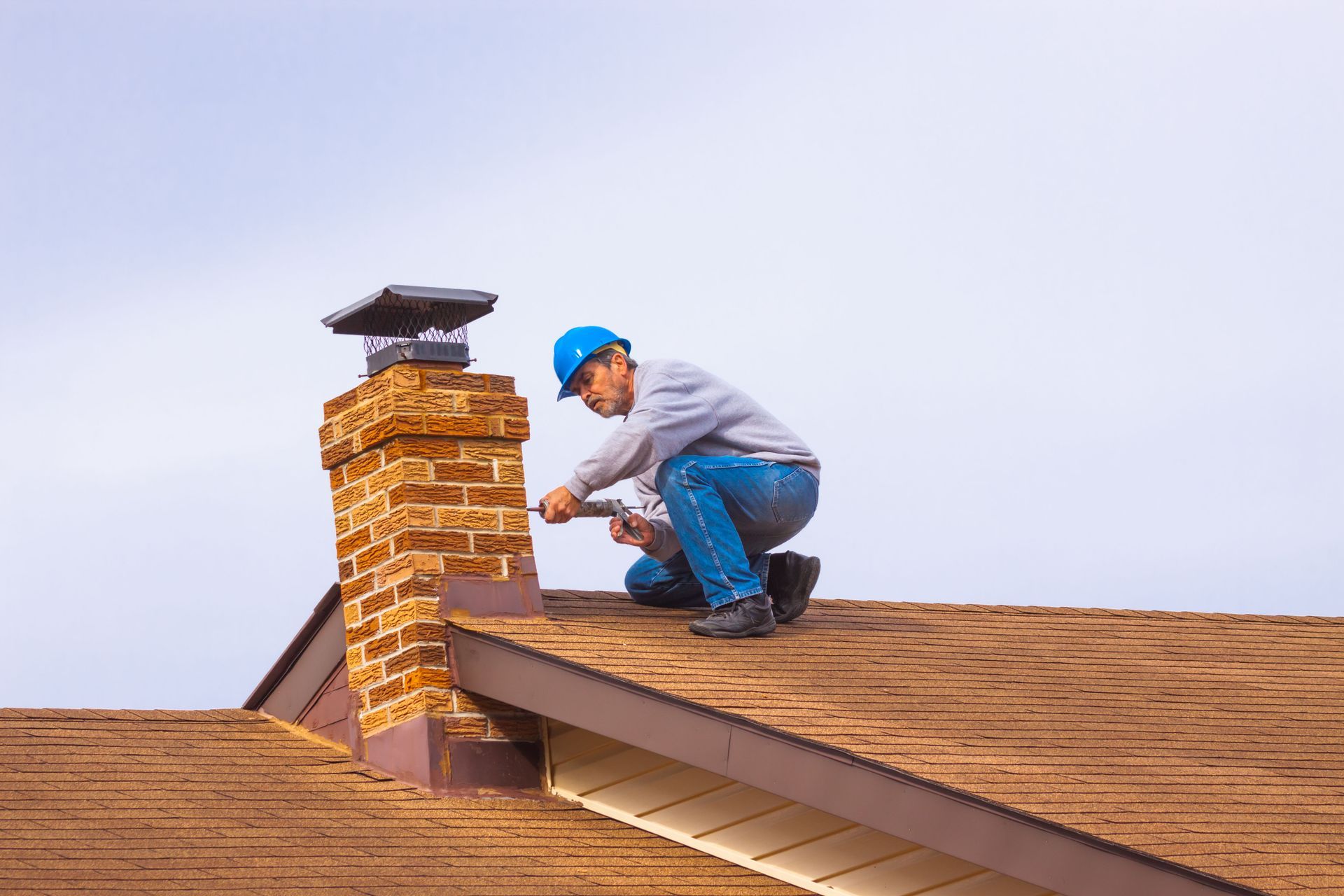
Exterior signs may include lifted metal, cracked sealant, rust, missing pieces, or gaps between the chimney and the roof. Mortar joints near the flashing may also show signs of deterioration. A professional inspection can determine whether the leak is caused by the flashing, chimney masonry, roofing materials, or a combination of issues. Prompt roof repair can prevent a small opening from allowing repeated moisture intrusion during future storms.
Understanding How Chimney Flashing Works
A complete chimney flashing system usually includes several layers of metal designed to work together. Step flashing is woven into the roofing material along the sides of the chimney, while counterflashing is installed into the chimney mortar joints and overlaps the step flashing. Apron flashing protects the downhill side, and back pan or cricket flashing helps direct water around the uphill side. Each component must overlap correctly so water flows over the materials instead of behind them.
Problems develop when installers rely too heavily on roofing cement or sealant rather than using properly formed and layered metal. Sealants naturally deteriorate from sunlight, temperature changes, and moisture exposure. While they may provide temporary protection, they should not serve as the primary waterproofing method. Effective roof repair involves identifying which flashing components have failed and restoring the layered system rather than simply covering the area with more caulk.
Preventing Water Damage Inside the Home
Water entering around a chimney can damage much more than the visible ceiling surface. Moisture may soak insulation, weaken wooden framing, stain drywall, and create conditions that support mold or mildew growth. Wet insulation loses some of its ability to regulate indoor temperatures, which may increase heating and cooling demands. If water reaches electrical wiring or fixtures, the problem may also create additional safety concerns that require immediate attention.
Repeated leaks can be especially damaging because building materials may never have enough time to dry completely between storms. Wood can begin to rot, fasteners may corrode, and drywall can soften or crumble. Professional roof repair stops the source of water before contractors address the resulting interior damage. Repairing only the ceiling stain without fixing the flashing allows the problem to return and may lead to more extensive restoration later.
Protecting the Roof Deck and Framing
The roof deck provides a stable base for underlayment, shingles, and flashing. When water repeatedly enters near the chimney, the decking may become swollen, soft, or delaminated. Damaged decking cannot hold roofing fasteners securely, which may cause nearby shingles or flashing pieces to loosen. Over time, the affected area can become less capable of supporting the roofing system and resisting wind, snow, or other environmental pressure.
Moisture may also reach rafters, trusses, and other structural framing around the chimney opening. Because these materials are often hidden in the attic, deterioration can continue unnoticed. During roof repair, professionals may need to remove roofing materials and flashing to inspect the underlying wood. Replacing compromised decking and framing before installing new flashing creates a sound foundation and reduces the likelihood of recurring leaks.
Correcting Improper Installation Methods
Some chimney flashing failures result from age, but others begin with poor installation. Common mistakes include using undersized metal, failing to weave step flashing into the shingles, fastening through exposed surfaces, or neglecting to cut counterflashing into mortar joints. Flashing may also be installed too tightly, leaving little room for normal movement as the roof and chimney expand and contract at different rates.
Chimneys and roofing systems respond differently to temperature changes, settling, and weather exposure. If the flashing cannot accommodate this movement, gaps may form or fasteners may pull loose. Skilled contractors understand how to shape, overlap, and secure each component while allowing for normal expansion. Proper roof repair corrects the installation method instead of repeatedly patching the same weak points with temporary materials.
Maintaining the Chimney and Roofing System
Flashing performance is closely connected to the condition of the chimney itself. Cracked mortar, loose bricks, damaged crowns, and deteriorated masonry can allow water to enter above the flashing and travel downward. In some cases, homeowners may assume the metal is failing when the actual source is higher on the chimney. A thorough inspection should evaluate both the roofing connection and the masonry structure to identify every potential pathway for moisture.
According to HomeGuide, having your chimney inspected and cleaned once a year helps improve home safety, extends the chimney's service life, and reduces the risk of costly repairs. Regular maintenance provides an opportunity to identify loose flashing, worn sealant, masonry damage, or developing leaks before they spread. Combining chimney maintenance with timely roof repair helps preserve both systems and protects the surrounding interior materials from avoidable water damage.
Choosing Professional Repairs Over Temporary Patches
Temporary patches may appear to stop a chimney leak, but they rarely provide a dependable long-term solution. Roofing cement, caulk, and surface coatings can crack, separate, or trap moisture beneath the repair. Applying additional material without identifying the original failure may hide the problem and make future work more difficult. Homeowners may then experience repeated leaks even though the area appears heavily sealed from the outside.
Professional contractors inspect the entire chimney-to-roof connection, remove failed materials, and rebuild the flashing system as needed. They can also identify damaged shingles, underlayment, decking, and masonry that should be corrected at the same time. A complete roof repair provides a more durable result because it addresses the underlying cause rather than only the visible symptom. Professional work can also help ensure the materials are compatible with the roof type and local weather conditions.
Bad chimney flashing can allow water to spread through the roofing system, damage structural materials, reduce insulation performance, and create stains or deterioration throughout the interior. Early warning signs such as ceiling discoloration, damp odors, cracked sealant, lifted metal, and deteriorated masonry should be evaluated before the next storm worsens the problem. A professional inspection can distinguish between flashing failure, chimney damage, and nearby roofing issues, allowing the correct repairs to be completed. Durable roof repair should restore proper metal overlaps, replace damaged underlying materials, and protect the chimney connection from future moisture intrusion. For experienced chimney and roofing assistance, contact 2nd Chance Roof & Chimney LLC.