Replacing a roof is a significant home improvement project that affects a property's appearance, value, and protection from the elements. Understanding each stage helps homeowners prepare for construction, manage expectations, and make informed decisions. From the initial inspection to the final cleanup, planning is essential to keeping the process organized.
A roof replacement begins with evaluating the existing roofing system, selecting materials, establishing a budget, and scheduling the work. Homeowners must also prepare their property and understand how contractors handle removal, repairs, and installation.
Evaluating the Existing Roof and Planning the Project
Inspecting the Roof for Damage
The first step involves examining the current roof for worn shingles, leaks, damaged flashing, and other signs of deterioration. An inspection helps determine whether targeted repairs may be sufficient or whether a complete roof replacement is more appropriate.
Removing old materials may reveal additional problems, including damaged decking, moisture intrusion, and deteriorated structural components. According to HomeGuide, a partial or complete chimney rebuild becomes necessary when severe structural degradation occurs or when repair expenses reach 50% or more of the total replacement cost. Evaluating chimney conditions alongside the roof helps identify additional work that may be needed.
Establishing a Realistic Budget
Homeowners should develop a budget that accounts for materials, labor, permits, disposal fees, and potential repairs. Setting aside additional funds for unexpected problems can help manage costs if the project expands beyond its original scope.
Comparing written estimates from several contractors for roof replacement provides a clearer picture of expected expenses. Homeowners should review each proposal's scope, warranty terms, payment schedule, and potential additional charges rather than focusing exclusively on the lowest price.
Selecting Appropriate Roofing Materials
Roofing materials influence a home's appearance, maintenance requirements, and resistance to local weather. Asphalt shingles are common, while metal, slate, and tile offer different combinations of durability, appearance, and cost.
Climate is another important consideration. Homeowners in areas with heavy rain, high winds, or significant temperature changes should discuss suitable options with their contractor. Insulation and ventilation may also deserve attention if the existing roofing system has contributed to moisture or temperature problems.
Choosing a Qualified Contractor
Homeowners should research contractors' licensing, insurance, references, and previous work. Written proposals should outline the project scope, materials, expected timeline, and warranty terms. A detailed contract establishes responsibilities and provides a reference if questions arise during construction.
Contractors should also explain their approach, discuss potential complications, and identify any permits required by local regulations. Reviewing these details before signing helps homeowners understand what the project involves.
Creating a Work Schedule
A clear roof replacement schedule outlines when material delivery, roof removal, repairs, installation, and cleanup should occur. The timeline depends on the roof's size, material availability, project complexity, and weather. Rain and strong winds may require adjustments.
Homeowners should ask how schedule changes will be communicated and whether delays are anticipated. Regular updates help everyone understand the project's progress.
Preparing the Home for Construction
Clearing Outdoor Areas
Before work begins, homeowners should move vehicles, patio furniture, grills, and garden equipment away from the work area. This creates space for workers, equipment, and material deliveries while reducing the risk of accidental damage.
Contractors may also need designated areas for dumpsters and supplies. Discussing parking, storage, and access arrangements beforehand helps prevent confusion and keeps important pathways available.
Protecting Interior Spaces
Roofing work can create noise, vibration, dust, and debris. Homeowners may want to secure fragile decorations, protect belongings stored beneath the roof, and clear exposed attic areas. Closing doors to unused rooms can also limit the spread of dust.
Ask the contractor what protective measures are planned. Preparing vulnerable spaces can reduce the likelihood of damage and simplify cleanup after construction.
Reviewing Safety Precautions
Roofing construction involves elevated work, heavy materials, and equipment that can create hazards. Contractors should follow applicable safety requirements and establish procedures for managing debris and restricting access to active work areas.
Homeowners should keep children and pets away from the construction zone and avoid walking beneath roof edges where materials may fall. Following the contractor's instructions helps reduce unnecessary risks.
Informing Neighbors and Arranging Access
Notifying neighbors about the expected schedule provides advance notice of construction noise, delivery vehicles, and parking changes. Homeowners should also coordinate driveway access and equipment placement with the contractor. If an entrance will be temporarily blocked, discuss alternatives before work begins.
Removing Old Roofing and Inspecting the Structure
Removing Existing Roofing Materials
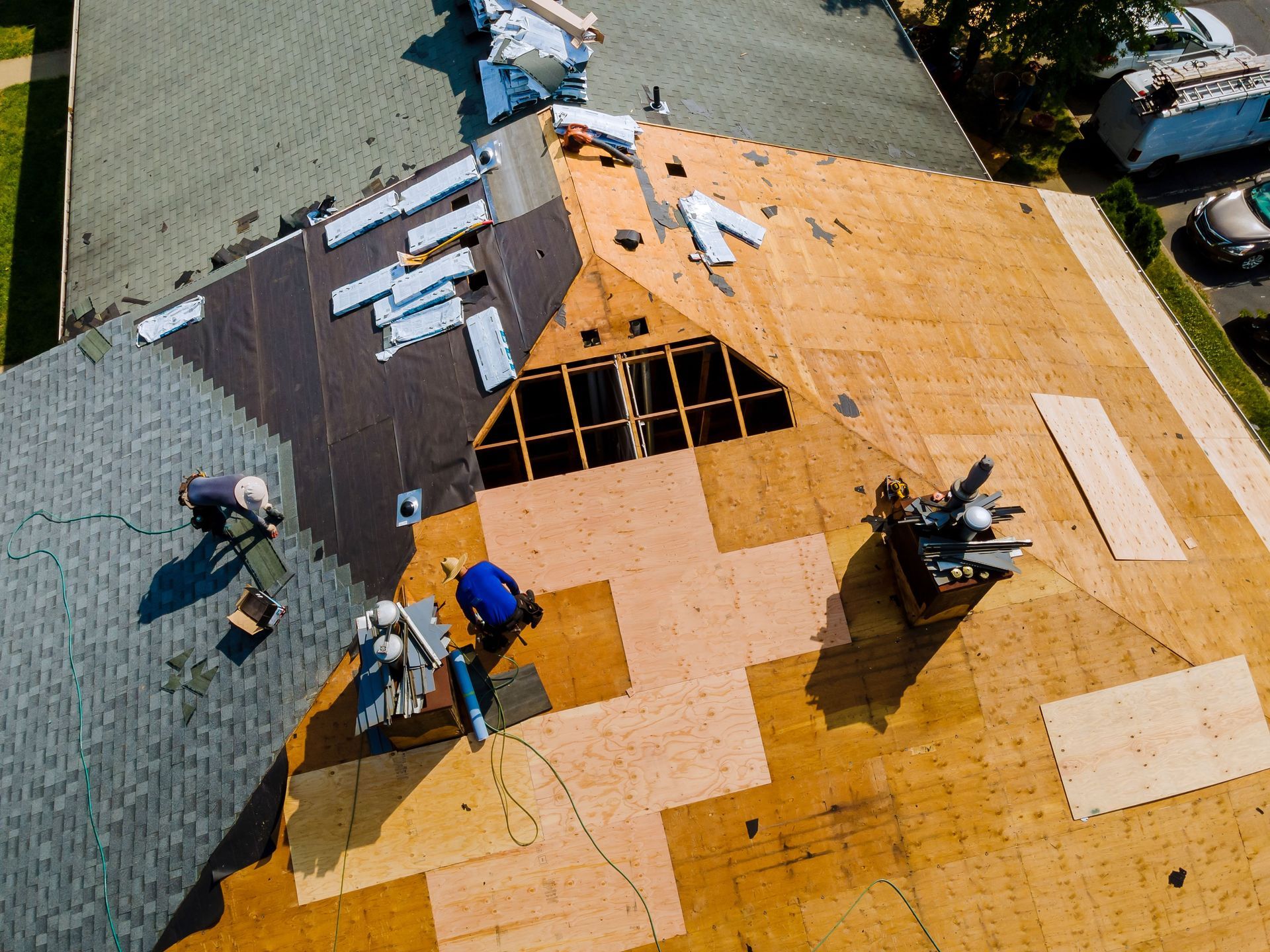
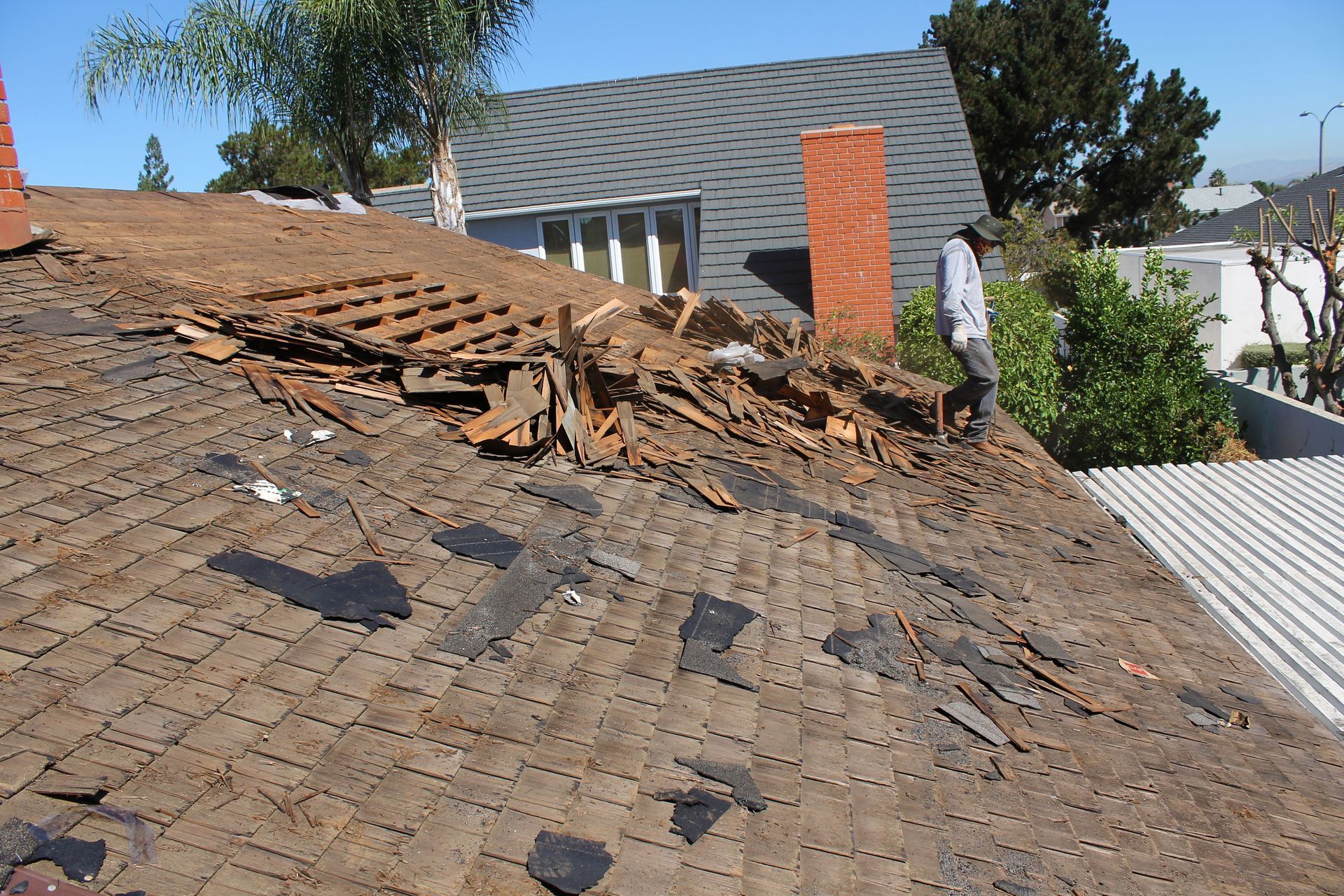
Workers begin by removing old shingles, tiles, underlayment, and other components as required. The removal method depends on the existing system and project scope. Contractors collect debris throughout the process to keep the work area organized.
Exposing the roof deck allows contractors to inspect the surface beneath the old materials. This stage may reveal problems that were not visible during the initial inspection.
Managing Debris and Disposal
Old shingles, flashing, nails, and underlayment must be collected and disposed of appropriately. Contractors typically arrange debris containers and removal according to project requirements and local regulations. Some materials may be eligible for recycling, depending on their composition and available facilities.
Homeowners should confirm whether disposal and final cleanup are included in the contract. They can also ask how workers will manage loose nails and debris around driveways, landscaping, and walkways.
Identifying Hidden Structural Problems
With the roof deck exposed, contractors can look for rotting wood, damaged sheathing, moisture intrusion, and other structural concerns. Necessary repairs should be discussed before new materials are installed, including the proposed solution and any additional costs.
Chimneys and roof intersections also deserve attention. Deteriorated flashing, cracked masonry, and damaged components can contribute to water intrusion. Addressing these issues during construction may reduce the need to disturb newly installed materials later.
Installing the New Roofing System
Preparing the Roof Deck
Before installation, contractors repair damaged decking and prepare the surface for the new roofing system. They may install underlayment and protective membranes in areas vulnerable to moisture, following the requirements of the selected materials and applicable building codes.
The deck, underlayment, flashing, and ventilation all contribute to how the roof manages moisture and changing weather conditions. Proper preparation is an important part of the roof replacement process.
Installing Roofing Materials
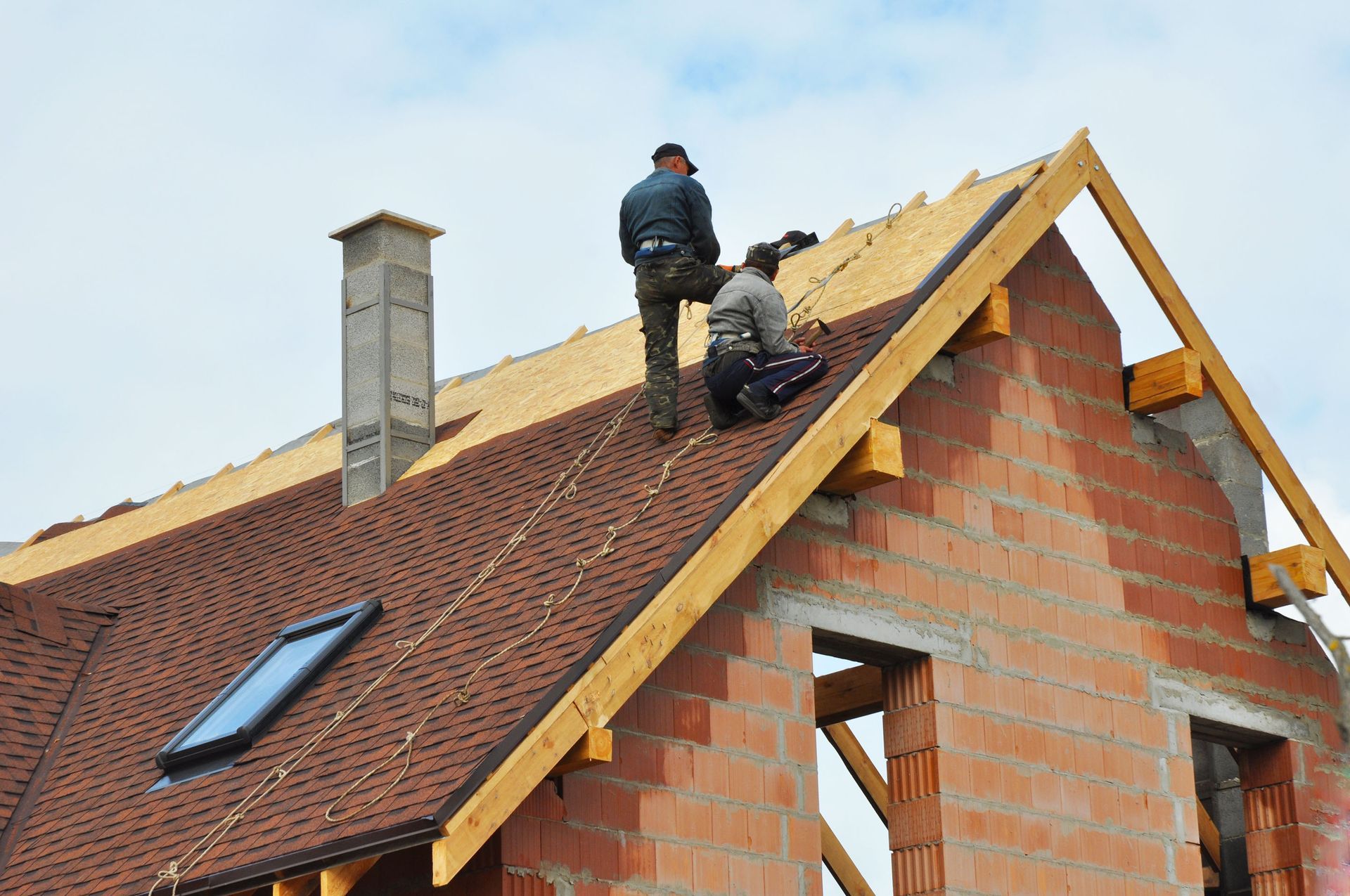
Installation methods vary by material. Shingles, metal panels, and tiles require different fastening methods and accessory components. Contractors follow manufacturer instructions and applicable building requirements when assembling the system.
Flashing around chimneys, vents, skylights, and other roof openings receives particular attention because these transitions can be vulnerable to leaks. Ridge caps and edge details are installed according to the roofing system's design.
During a roof replacement, homeowners should ask how progress will be communicated and whether unexpected issues could affect the schedule. Material requirements and roof complexity can influence the pace of work.
Checking Ventilation and Drainage
Roof ventilation helps regulate attic temperatures and manage moisture. Contractors can evaluate existing vents and discuss whether adjustments are appropriate for the home. Insulation and other building components may also affect overall performance.
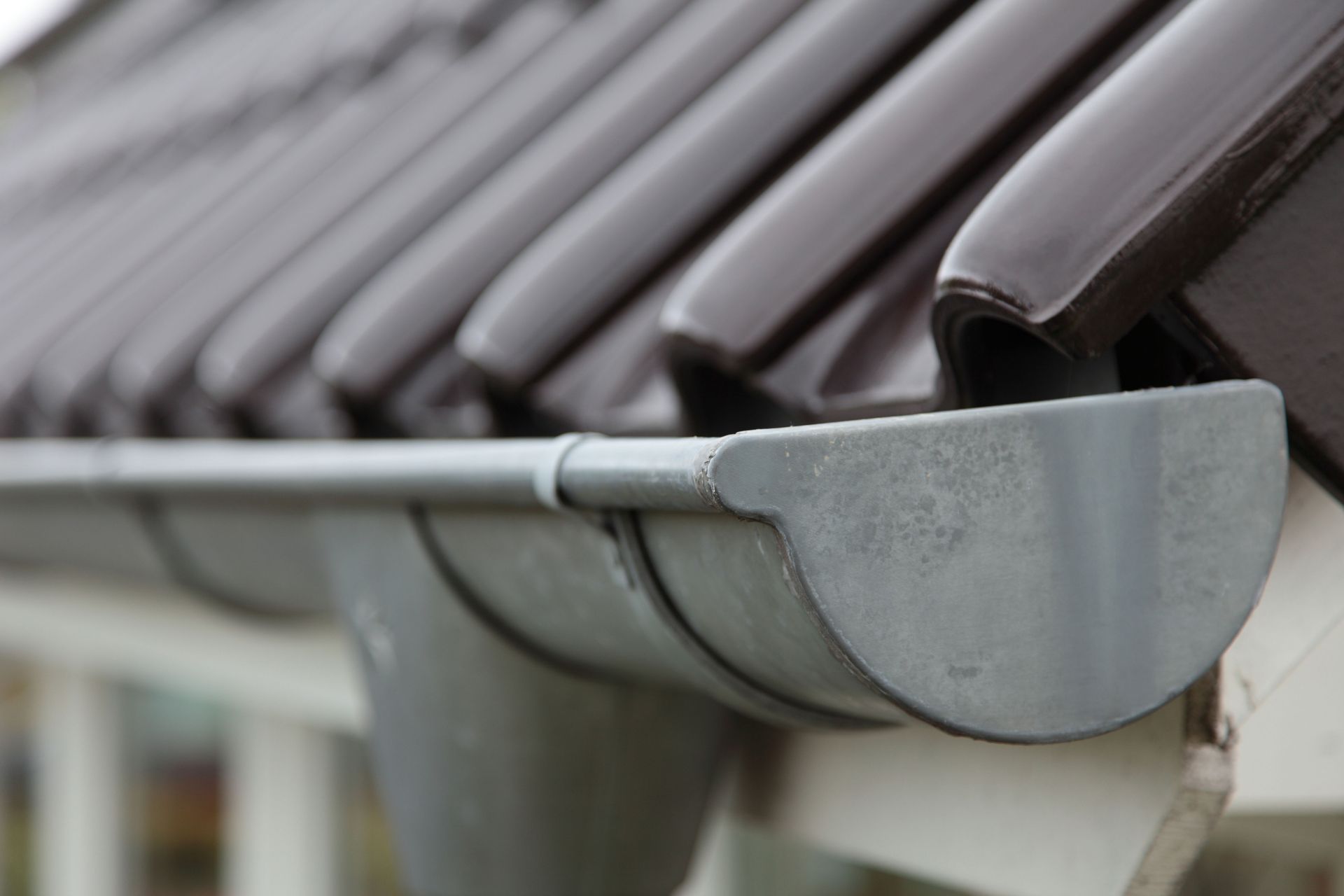
Gutters, downspouts, and roof slopes work together to direct water away from the structure. Checking these components can reveal maintenance needs that should be addressed separately or included in the agreed project scope.
Completing the Final Inspection and Cleanup
Reviewing the Finished Work
After installation, the contractor should review the completed roofing system for visible problems, incomplete details, and areas requiring correction. Homeowners can discuss the finished work, ask questions about workmanship, and confirm warranty coverage.
Keeping invoices, warranty information, product details, and repair records in a safe place makes it easier to reference the project if maintenance questions arise later.
Cleaning the Property
Final cleanup generally includes collecting leftover materials, removing debris, and checking accessible areas for stray nails. Homeowners should inspect the yard, driveway, and landscaping with the contractor to identify concerns before the project is considered complete.
Confirm that temporary equipment and debris containers have been removed and that access areas are clear. A final conversation provides an opportunity to address outstanding items and discuss recommended maintenance.
For guidance on an upcoming roofing or chimney project, contact 2nd Chance Roof & Chimney LLC to discuss your property's condition, available options, and the next steps for planning a roof replacement.