July 15, 2026
Understanding when to invest in home improvements is crucial for maintaining the safety and structural integrity of your property. A roof replacement represents a significant update that requires careful consideration of various factors, including material lifespan, visible wear, and local climate impacts. This article explores the elements that influence how frequently you should plan for this upgrade, providing guidelines to help you make informed decisions that protect your investment and enhance your home's longevity. By taking a proactive approach, you can ensure your property remains completely secure while maximizing long-term financial value. This peace of mind allows you to focus on your other priorities while fully enjoying your home.
Evaluating the Lifespan of Common Roofing Materials
Different types of materials have varying performance characteristics. Asphalt shingles, one of the most common options, typically last between 20 and 30 years. Metal systems, on the other hand, can offer exceptional durability for 40 to 70 years depending on environmental factors. Clay and concrete tiles are known for resilience, often lasting 50 years or more. Each material has unique benefits that influence the overall longevity and maintenance requirements of your home. Choosing the right material should align with your long-term plans and budget considerations to avoid premature expenses.
Analyzing Environmental Factors and Installation Quality
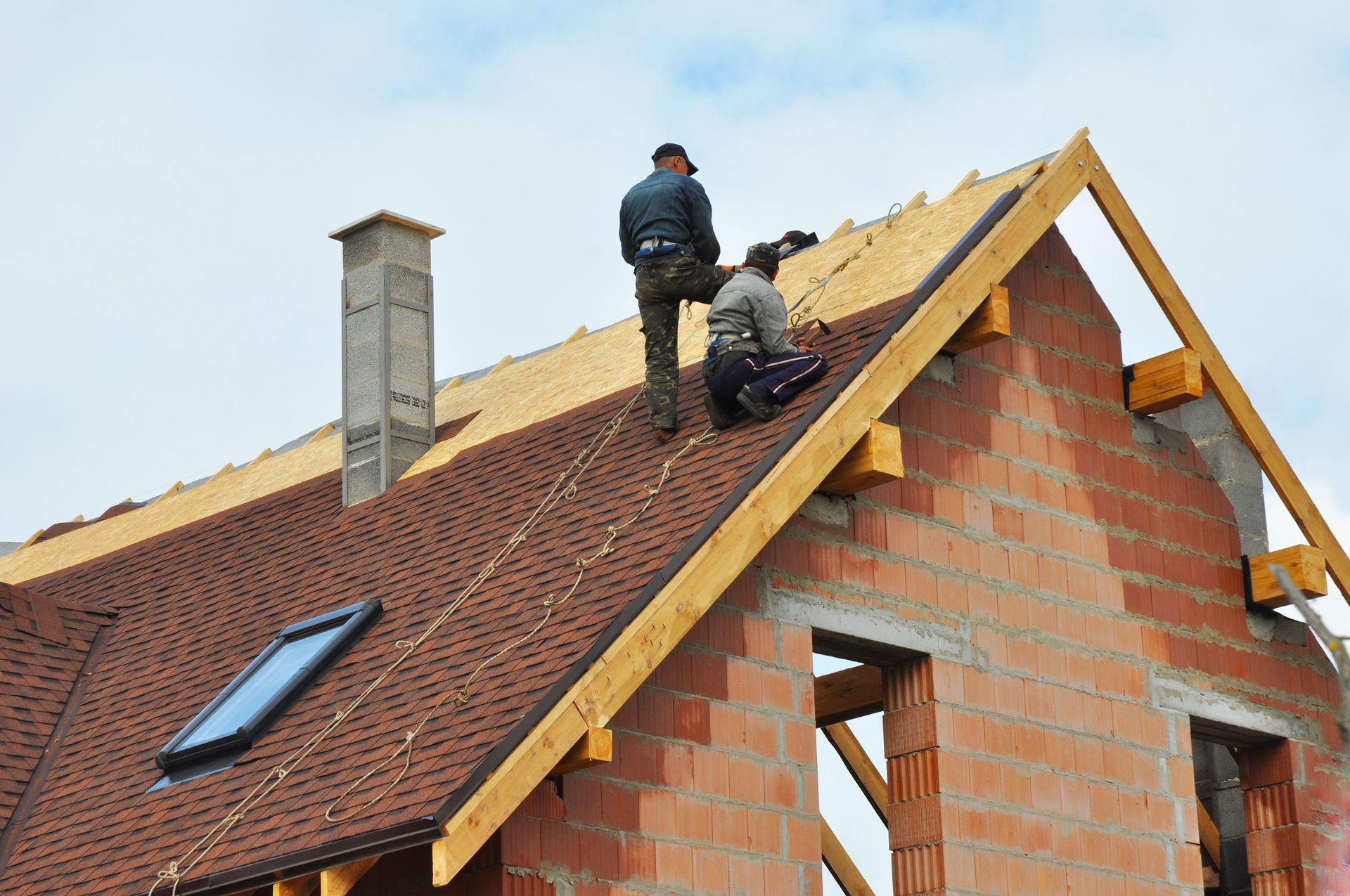
Several factors influence longevity, including weather conditions, local climate, and proper installation. Extreme weather, such as storms, hail, and intense winds, can dramatically reduce service life. Additionally, properties exposed to constant sunlight may experience faster UV damage. Regular maintenance, including cleaning and minor repairs, extends durability by preventing small issues from escalating. Moreover, professional contractor capabilities play a critical role in maximizing performance through precise installation and quality materials. Hiring experienced professionals ensures your system is built to standard specifications, preventing leaks and inefficiencies.
Identifying Visible Signs of Wear and Material Decay
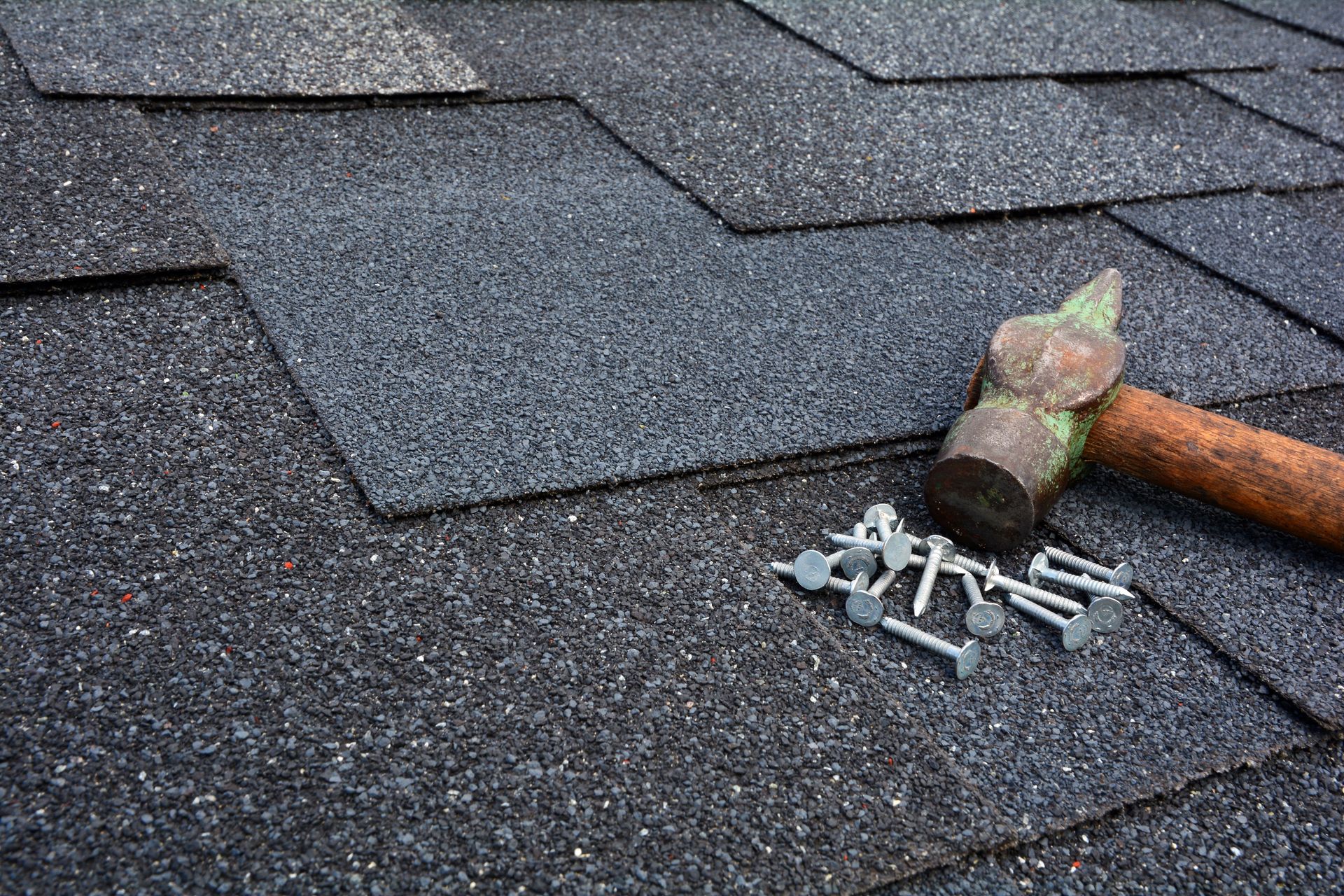
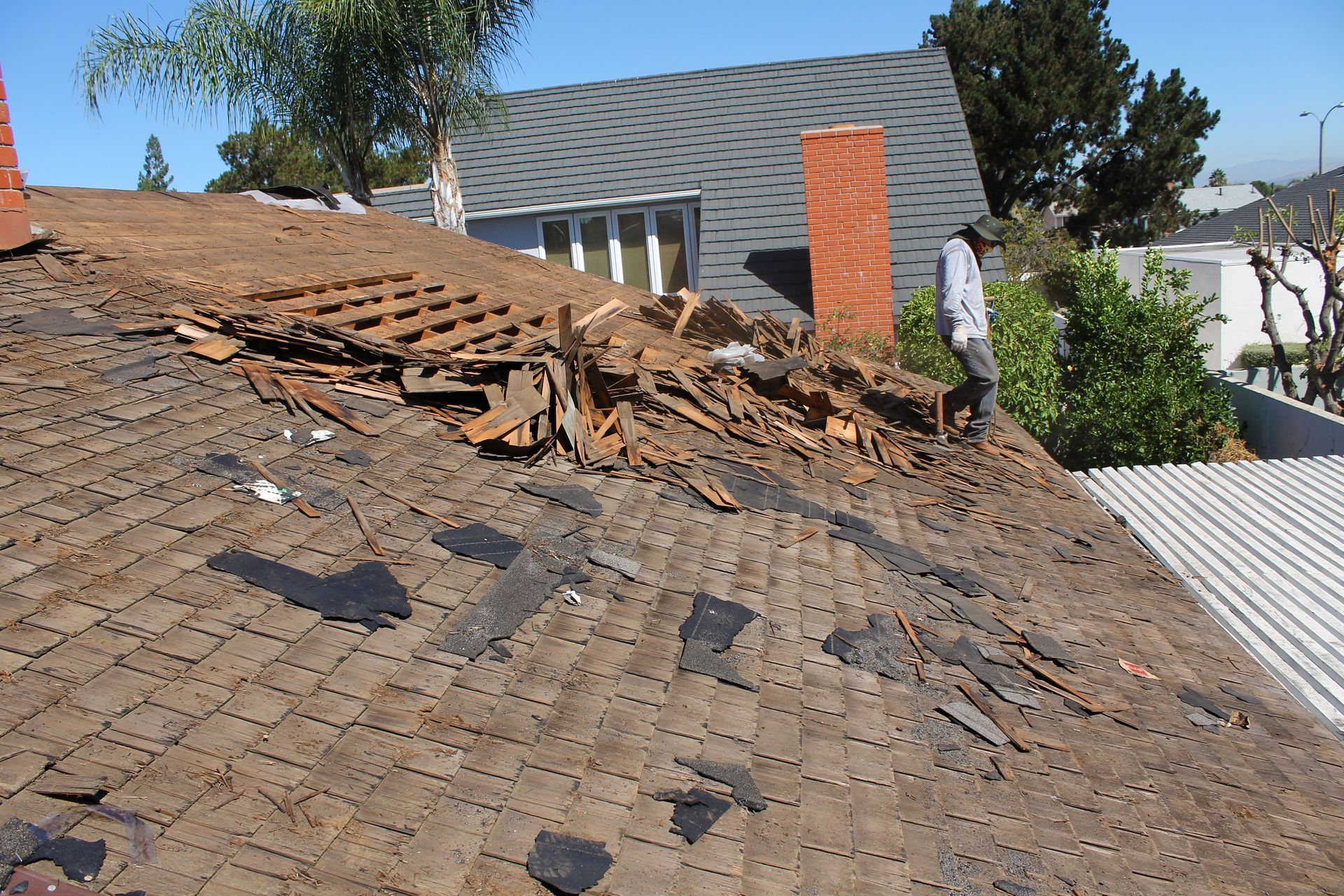
Visible damage is a clear indicator that a property needs attention. Shingles that are curling, cracked, or missing indicate surface wear and are typical signs of aging. Over time, the protective granules on shingles wear off, leading to exposure of the underlying layers. The presence of these symptoms means that minor fixes may no longer suffice. Addressing these issues promptly prevents further damage to the underlying decking and framing. Homeowners should regularly scan their property from the ground to check for these surface imperfections before they lead to major structural liabilities.
Addressing Water Intrusion and Internal Moisture Damage
Leaks and water intrusion are serious signs that a system has reached the end of its functional life. Water stains on ceilings and walls, often accompanied by peeling paint, indicate an urgent need for professional attention. Prolonged exposure to moisture leads to structural rot, mold growth, and weakened insulation. Aging systems with water damage often show signs of moss or algae growth, indicating prolonged moisture retention. Timely intervention and addressing leaks can prevent costly interior damage, preserve property value, and keep the indoor environment healthy and dry.
Recognizing Structural Sagging and Drooping Support Lines
A sagging or drooping roofline is a critical safety concern that signifies structural issues. This deformation can result from various factors, including weakened supports, prolonged water damage, or excessive weight from snow and debris accumulation. If left unaddressed, a sagging system can pose severe structural risks to the home. Immediate evaluation by a professional is crucial to determine the underlying cause and the necessary corrective actions. Opting for a full roof replacement is often the best course of action to restore complete structural integrity and peace of mind.
Understanding the Financial Benefits of System Upgrades
The upfront cost of a project should always be weighed against potential long-term savings. While initial expenses can be high, investing in quality materials and proper installation reduces the need for frequent repairs. Energy-efficient systems can significantly lower heating and cooling costs, offering impressive savings over time. Properly installed systems with durable materials enhance property value and provide excellent financial returns upon resale. Homeowners should evaluate costs not only in terms of immediate expenses but also in anticipated longevity and efficiency benefits.
Navigating Professional Inspections and Evaluation Reports
Regular professional evaluations are essential for maintaining the health of your home. Professionals recommend an inspection at least once a year, with additional checks after severe weather events. These inspections uncover hidden problems that could lead to expensive repairs if left unattended. An inspector's comprehensive report details existing issues, recommended fixes, and an estimated timeline for a full roof replacement. Partnering with a professional team ensures accurate diagnostics, allowing you to prioritize upgrades effectively and maintain full protection.
Exploring Modern Advancements in Roofing Technology
Recent advancements in materials have expanded the options available to homeowners considering upgrades. Enhanced materials, such as polymer-modified asphalt shingles, offer increased durability and resistance to harsh weather conditions. Synthetic options mimic traditional aesthetics while providing greater resistance to environmental stressors. Innovations focus on improving energy efficiency, durability, and customizable styles. According to Roofing Contractor Magazine, approximately 5,000,000 pristine roofs are established annually across the nation, showcasing the massive scale and continuous innovation within the residential industry.
Comparing Structural Profiles: Gable vs. Hip Systems
The overall architectural design of your framework plays a major role in how well it withstands environmental forces. A standard gable profile features two sloping sides that meet at a ridge, creating a classic triangular shape that efficiently sheds water and snow but can be vulnerable to high wind uplift. Conversely, a hip configuration slopes upward on all four sides, offering superior aerodynamic stability and structural strength against severe storms. Understanding these geometric differences helps property owners anticipate specific maintenance vulnerabilities and choose reinforcement strategies tailored to their architectural layout.
Establishing Comprehensive Maintenance and Care Protocols
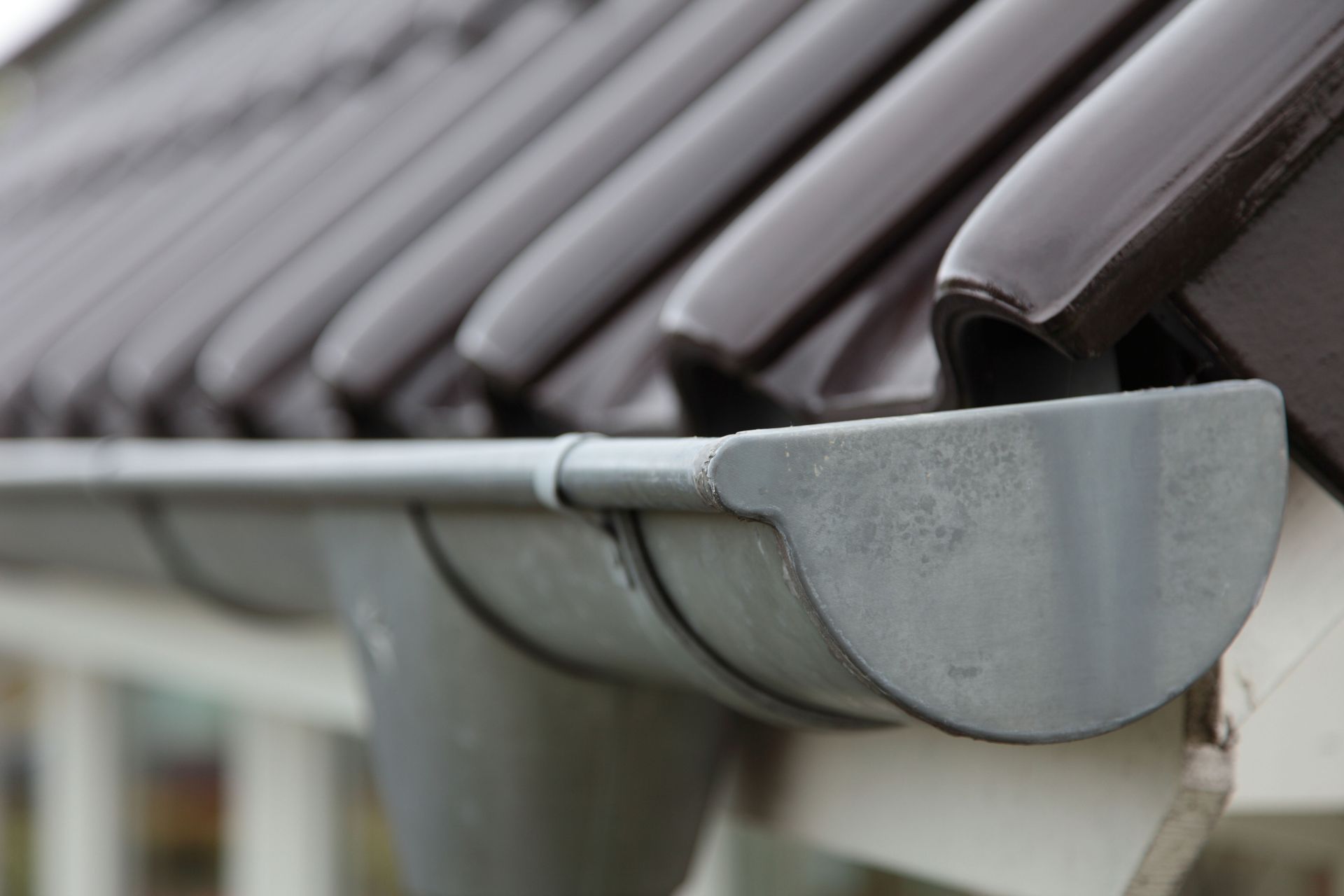
Proactive maintenance is the single most effective strategy for maximizing the operational lifespan of any installation. Homeowners should establish a bi-annual routine that includes clearing debris from valleys, clearing gutters to prevent ice damming, and checking flashings around chimneys and vents for compromised seals. Additionally, trimming overhanging tree branches reduces the risk of impact damage and prevents excess shade from encouraging destructive moss and algae growth. Implementing these simple preventative measures stops minor surface wear from evolving into costly structural failures.
Navigating Ventilation Requirements and Airflow Dynamics
Proper attic ventilation is a critical factor that directly impacts the overall health and lifespan of your roofing system. An effective setup relies on a balanced combination of intake vents, usually located at the soffits, and exhaust vents positioned along the ridge to facilitate continuous airflow. Without adequate circulation, trapped heat and moisture can cause shingles to bake from the inside out, leading to premature warping and rapid material degradation. Ensuring your home has appropriate ventilation not only regulates indoor temperatures but also prevents the formation of destructive ice dams during colder months.
Deciding when to schedule a roof replacement involves assessing various aspects, from material lifespan to climate influences. By staying informed and proactive, you can ensure your home remains a strong, long-lasting shield against the elements. Incorporating advancements in technology and considering energy-efficient options provide additional benefits to property owners. Regular maintenance, professional inspections, and strategic planning all contribute to maximizing performance. When you are ready to secure your home with a beautiful, durable new roof replacement, reach out to the dedicated professionals at 2nd Chance Roof & Chimney LLC.