November 10, 2026
A roof protects your home from the elements, but Oregon's changing weather can gradually affect its durability and performance. Frequent rainfall, persistent moisture, coastal winds, winter storms, freezing temperatures, and summer heat all contribute to roofing deterioration. Understanding these weather-related challenges helps homeowners recognize potential problems and make informed maintenance decisions. Working with experienced roof replacement companies can help identify damage, evaluate aging materials, and determine when a new roofing system is necessary.
How Oregon's Rainy Seasons Affect Roofing Materials
Rain is one of the most significant environmental factors affecting residential roofs throughout much of Oregon. Western Oregon, including communities in the Willamette Valley and along the coast, experiences substantial rainfall, particularly during fall and winter. Repeated exposure to moisture can gradually weaken roofing components, especially when existing damage allows water to penetrate beneath the exterior surface.
Asphalt shingles may lose protective granules as they age, while deteriorating flashing and damaged seals can create opportunities for leaks. Persistent moisture can also affect roof decking and insulation when water enters the roofing system. Over time, these problems may contribute to wood deterioration, interior water damage, and mold growth. Roof replacement companies can evaluate the condition of aging materials and determine whether targeted repairs or a complete replacement would provide more dependable protection.
Understanding the Effects of Persistent Moisture and Moss Growth
Oregon's damp climate creates favorable conditions for moss, algae, and other organic growth on roofing surfaces. This is particularly common in shaded areas where sunlight is limited and moisture takes longer to evaporate. Although some discoloration may initially appear cosmetic, substantial moss growth can create problems when left unaddressed.
Moss can retain moisture against roofing materials and grow around shingle edges. As it expands, it may contribute to lifting or separation that makes it easier for water to reach vulnerable areas underneath. Accumulated organic debris can also interfere with drainage and keep sections of the roof consistently damp. Homeowners should arrange periodic inspections to identify excessive growth and evaluate whether the roofing material has sustained damage. Roof replacement companies can also help determine whether an older roof has experienced enough moisture-related deterioration to warrant replacement.
Coastal Winds and Their Impact on Roof Stability
Oregon's coastal communities experience weather conditions that can place additional demands on residential roofing systems. Strong winds, heavy rainfall, and Pacific storm systems can expose roofs to repeated stress. Wind-driven rain is a concern because it can reach beneath shingles, around flashing, and into other areas that are normally protected during ordinary rainfall.
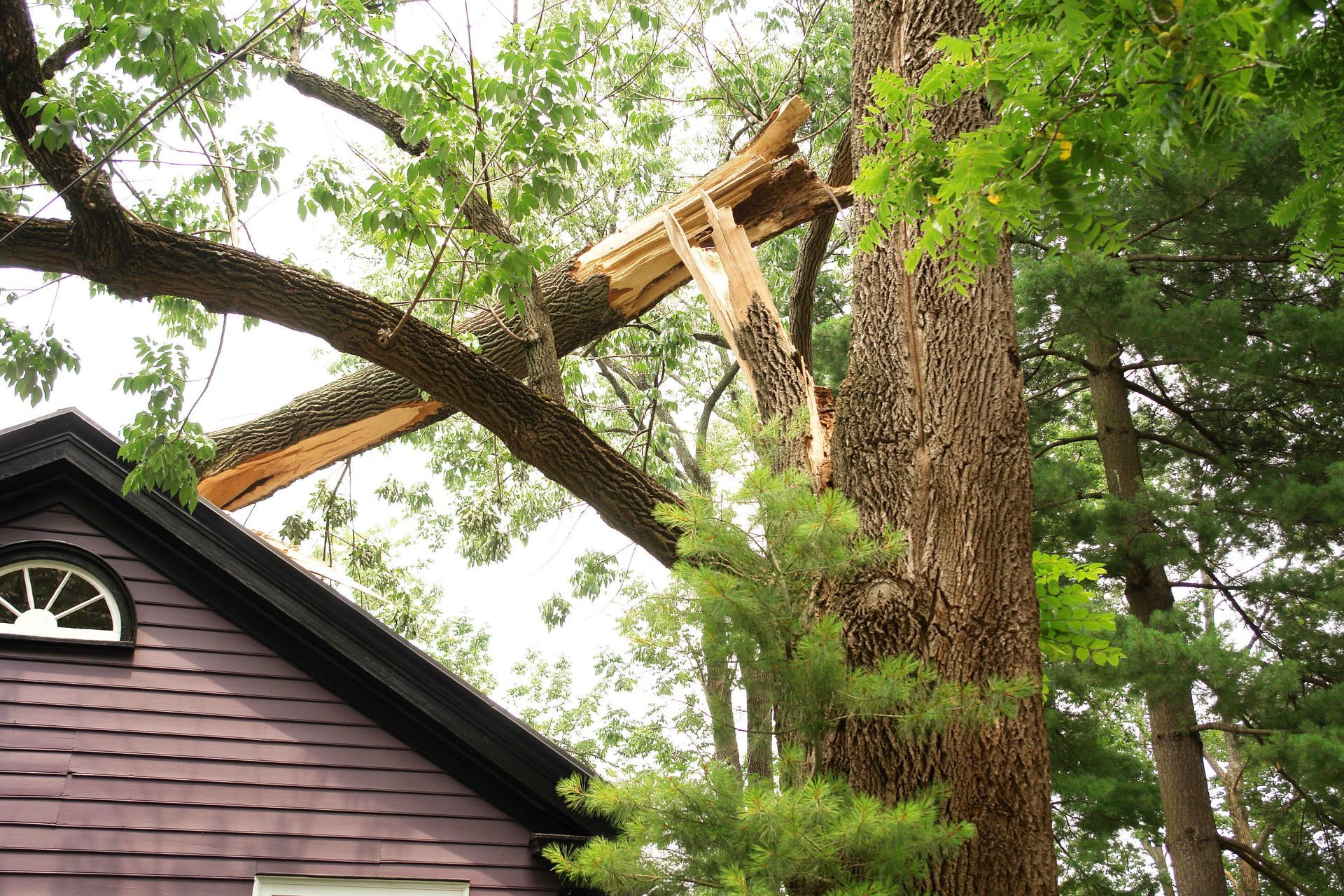
Strong gusts may loosen shingles, damage roof edges, or dislodge poorly secured components. Once roofing materials become loose, subsequent storms can worsen the damage and expose larger portions of the structure. Properties near the coast may also experience exposure to salt-laden air, which can contribute to corrosion of certain metal roofing components and fasteners when materials are not appropriately selected. Roof replacement companies familiar with Oregon's coastal conditions can recommend suitable products and installation methods that account for wind exposure and moisture.
Winter Storms, Freezing Temperatures, and Roof Deterioration
Winter weather can affect roofing systems differently across Oregon. While western communities frequently experience cold rain and periods of freezing temperatures, higher elevations and mountain communities may receive substantial snowfall. Areas such as Central Oregon can experience colder winter conditions, including snow, ice, and repeated temperature fluctuations.
Freeze-thaw cycles are particularly challenging for roofing systems. Water can enter small openings or cracks, freeze as temperatures drop, and expand. Repeated cycles may gradually worsen existing vulnerabilities in roofing materials, flashing, and other components. Snow accumulation can also add weight to the roof structure, while ice buildup around drainage areas may interfere with proper water movement. Homeowners should have their roofing systems evaluated before winter weather arrives, particularly if the roof is older or has a history of leaks.
Summer Heat and Seasonal Temperature Changes
Although Oregon is known for its rainy climate, summer weather can bring extended periods of sunshine and high temperatures, particularly east of the Cascade Range. Western Oregon can also experience hot, dry stretches during summer. These changes create additional challenges for roofing materials that must withstand both prolonged moisture exposure and periods of intense sunlight.
Ultraviolet radiation gradually affects roofing surfaces, while temperature fluctuations can cause materials to expand and contract. Over time, this movement may contribute to cracking, loosening, or deterioration around seams and connections. Asphalt shingles can also become more brittle as they age and experience repeated exposure to heat and sunlight. Selecting materials suited to the property's location and exposure can help reduce premature wear. Experienced roof replacement companies can explain which roofing systems are appropriate for different parts of Oregon.
Recognizing When Weather Damage Requires Roof Replacement
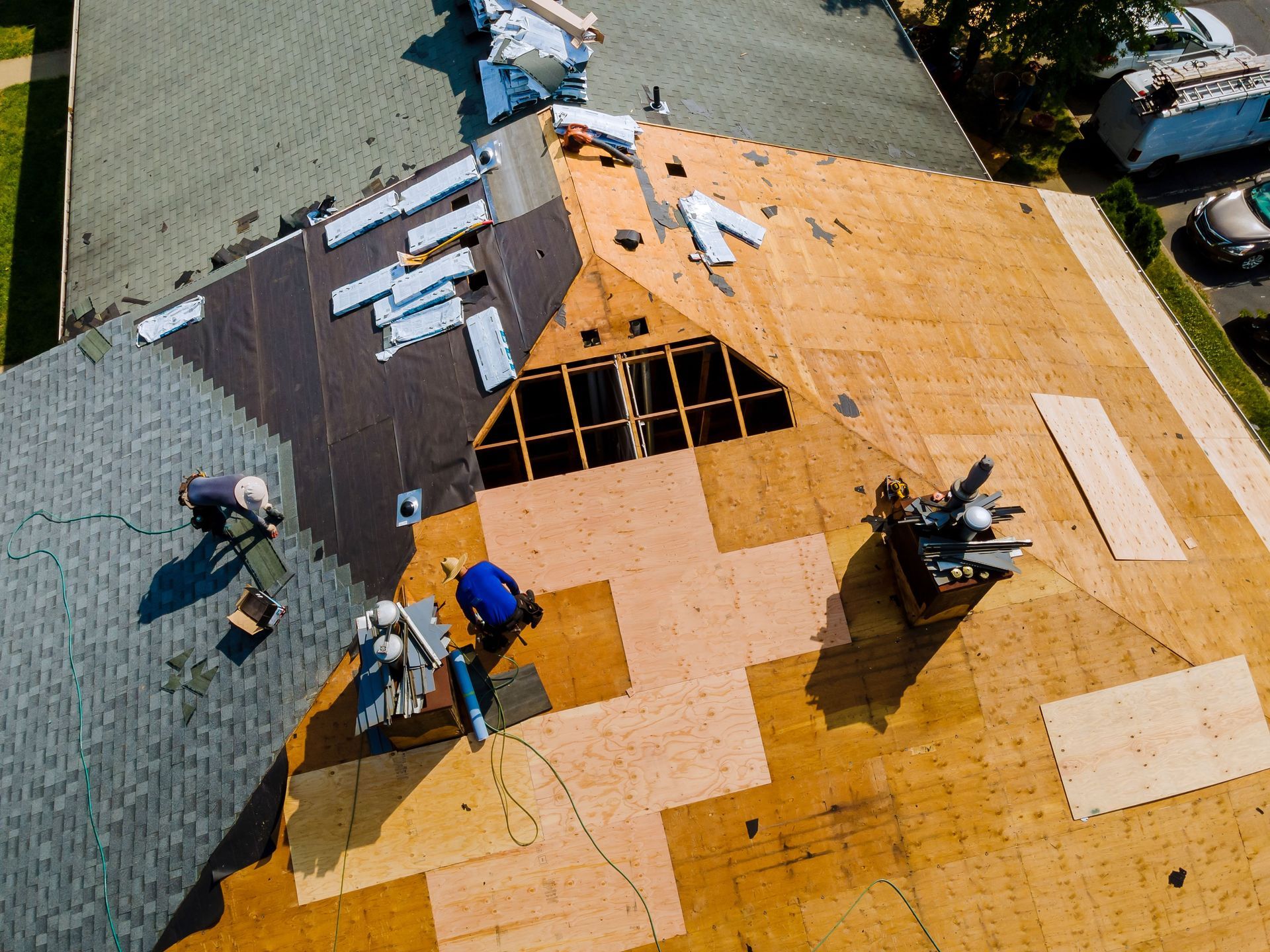
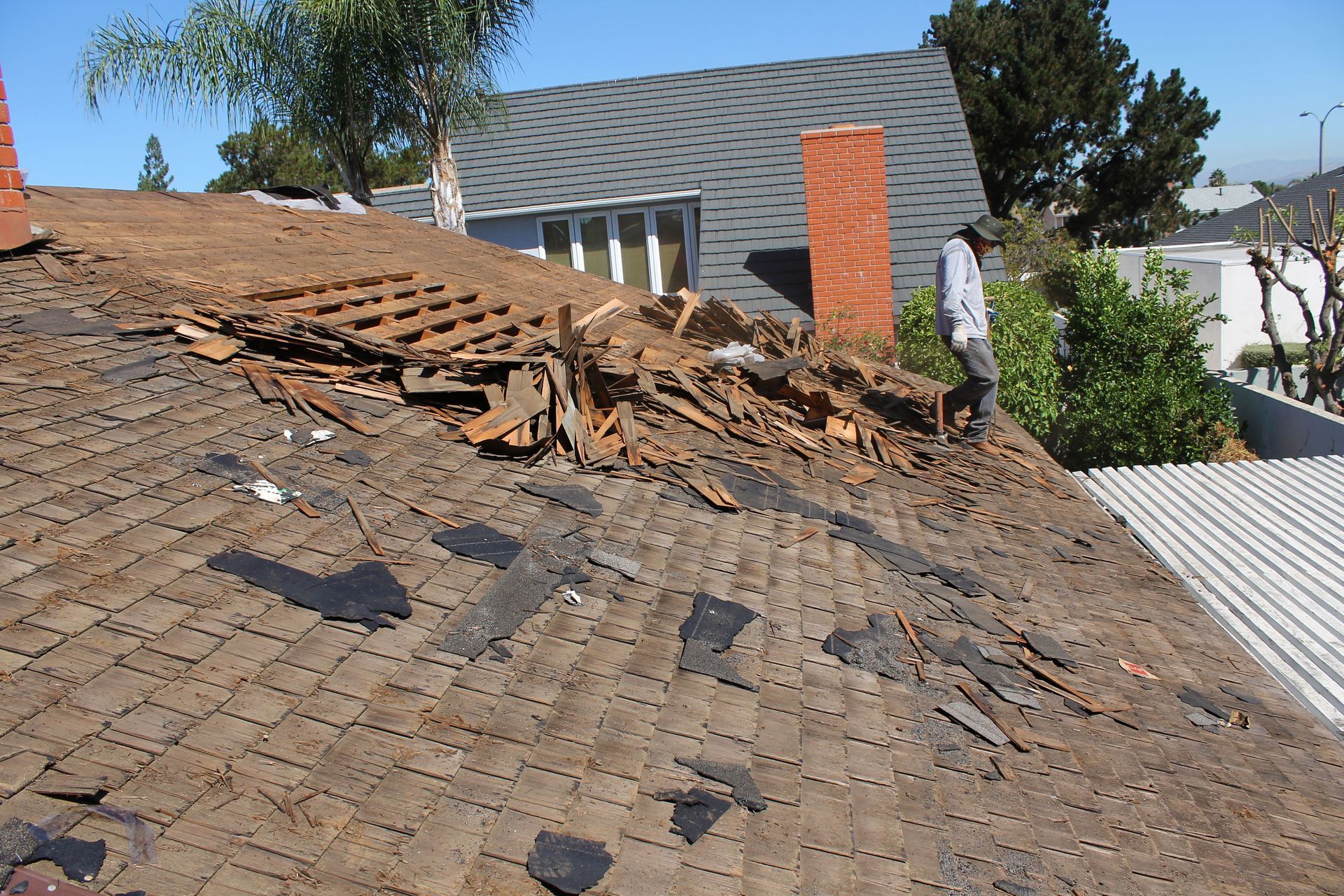
Not every weather-related roofing problem requires a complete replacement. In some situations, replacing a few damaged shingles, repairing flashing, or addressing a localized leak may restore the roof's performance. However, widespread deterioration, repeated leaks, extensive moisture damage, and aging materials may indicate that repairs are becoming less effective.
According to RubyHome, 33% of homeowners replace their roofs due to leaking. This highlights how important it is to address water intrusion before it leads to more extensive problems. Warning signs can include water stains on ceilings, missing shingles, sagging roof sections, damaged flashing, and visible deterioration around roof penetrations. Roof replacement companies can inspect these conditions and provide recommendations based on the roof's age, material, and overall structural condition.
Choosing Roof Materials That Suit Oregon's Climate
Material selection plays an important role in how long a roof lasts. Oregon homeowners should consider their property's specific exposure rather than assuming one roofing product will perform equally well throughout the state. A home in a rainy western community may have different requirements than a property exposed to dry summer heat and winter snow in Central Oregon.
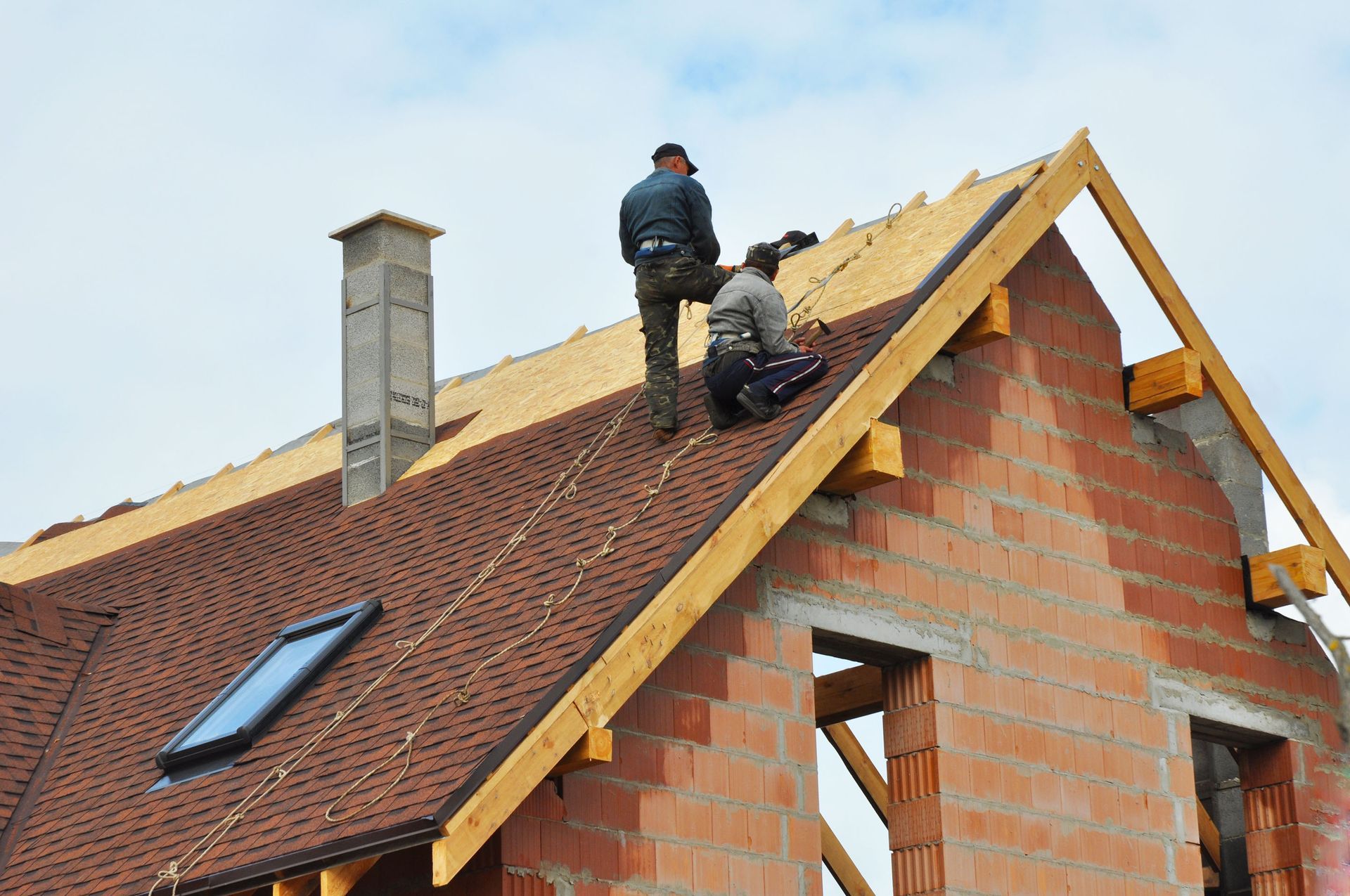
Asphalt shingles remain a common residential option because they offer a range of styles and price points. Metal roofing can provide durability and effective water shedding when properly installed, while certain other roofing products may offer benefits depending on the home's design and location. Ventilation, underlayment, flashing, and drainage components are equally important. Reputable roof replacement companies can help homeowners compare materials based on expected performance, maintenance requirements, warranties, and local weather conditions.
The Importance of Routine Roof Inspections
Regular inspections can help extend a roof's useful lifespan by identifying developing problems before they become extensive. In Oregon, homeowners may benefit from scheduling inspections before the wetter fall and winter seasons begin. Checking the roof after significant storms can also help identify wind damage, displaced materials, or drainage concerns.
Professional inspections should evaluate shingles or panels, flashing, valleys, gutters, ventilation, and other vulnerable components. Roofers can also look for signs of moisture intrusion and deterioration that may not be visible from the ground. Roofers can provide an objective assessment of whether the existing roofing system remains dependable or whether replacement should be considered. Addressing smaller problems promptly can help prevent avoidable damage to the home's interior and structure.
Choosing appropriate materials, maintaining proper drainage, and arranging regular professional inspections can help protect a home's roofing system over time. When extensive weather damage or aging materials make replacement necessary, working with knowledgeable roof replacement companies can help ensure the new roof is suited to local conditions. Our team at 2nd Chance Roof & Chimney LLC serves Eugene, OR and the surrounding communities with roof replacement services. Contact us today for a free roof estimate!