November 12, 2026
A home's roofing system acts as the primary barrier against environmental elements, shielding interior living spaces from scorching solar radiation, driving rain, freezing temperatures, and relentless wind. Beyond providing essential structural protection, the roof plays an instrumental role in dictating overall home energy performance and thermal efficiency. During hot summer months, intense sunlight bakes upper shingles, raising attic temperatures and transferring heavy thermal energy down into living quarters. Conversely, during cold winter seasons, an unsealed or poorly insulated roof allows valuable interior heat to escape rapidly into the cold atmosphere. When a roof functions inefficiently, heating and cooling equipment must run continuously to maintain comfortable indoor temperatures, causing monthly utility bills to climb dramatically while accelerating mechanical wear across heating and cooling units.
Optimizing home energy efficiency requires evaluating how roofing materials, surface color selections, thermal insulation layers, attic ventilation systems, and structural maintenance interact to control heat movement. Many property owners mistakenly attribute high heating and cooling expenses exclusively to old windows or inefficient HVAC units, overlooking the significant thermal impact of an aging or damaged upper deck. Small structural compromises—such as missing shingles, cracked underlayment, degraded flashing, or clogged attic vents—disrupt thermal barriers and allow unwanted air infiltration. Exploring how roofing systems govern household thermal performance reveals how material choices, surface solar reflectance, national installation trends, attic ventilation dynamics, moisture barrier integrity, and timely maintenance interventions combine to lower energy costs, reduce environmental footprints, and enhance year-round indoor comfort.
Selecting Material Types and Assessing Thermal Conductivity
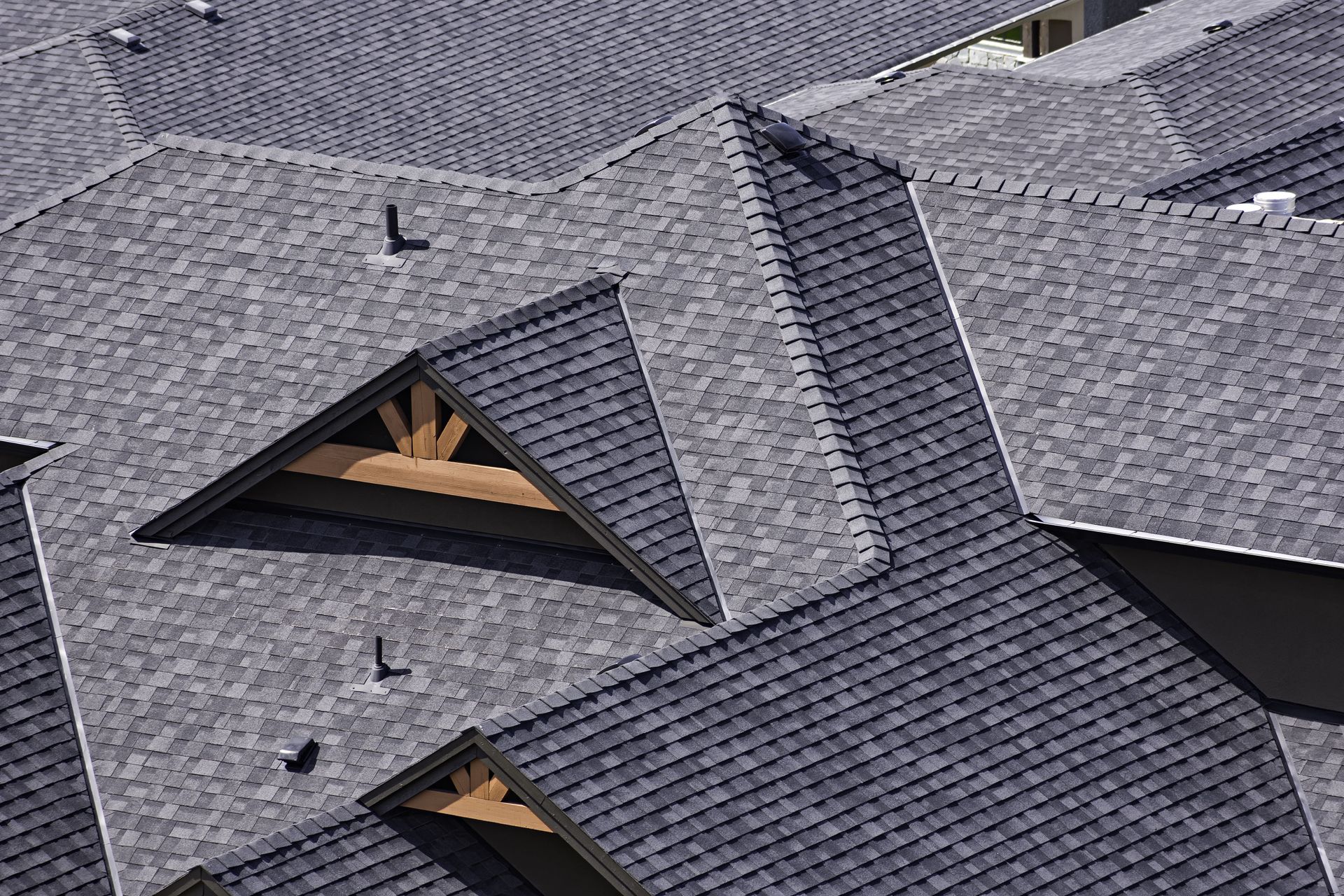
Selecting the appropriate roofing material represents a foundational decision that directly influences how effectively a home resists external temperature shifts. Different roofing materials possess distinct thermal mass and heat retention characteristics, affecting how quickly heat absorbs into structural decking and radiates into attic spaces below. Traditional asphalt shingles absorb substantial solar heat throughout sunny days, gradually releasing that thermal energy downward long after the sun sets.
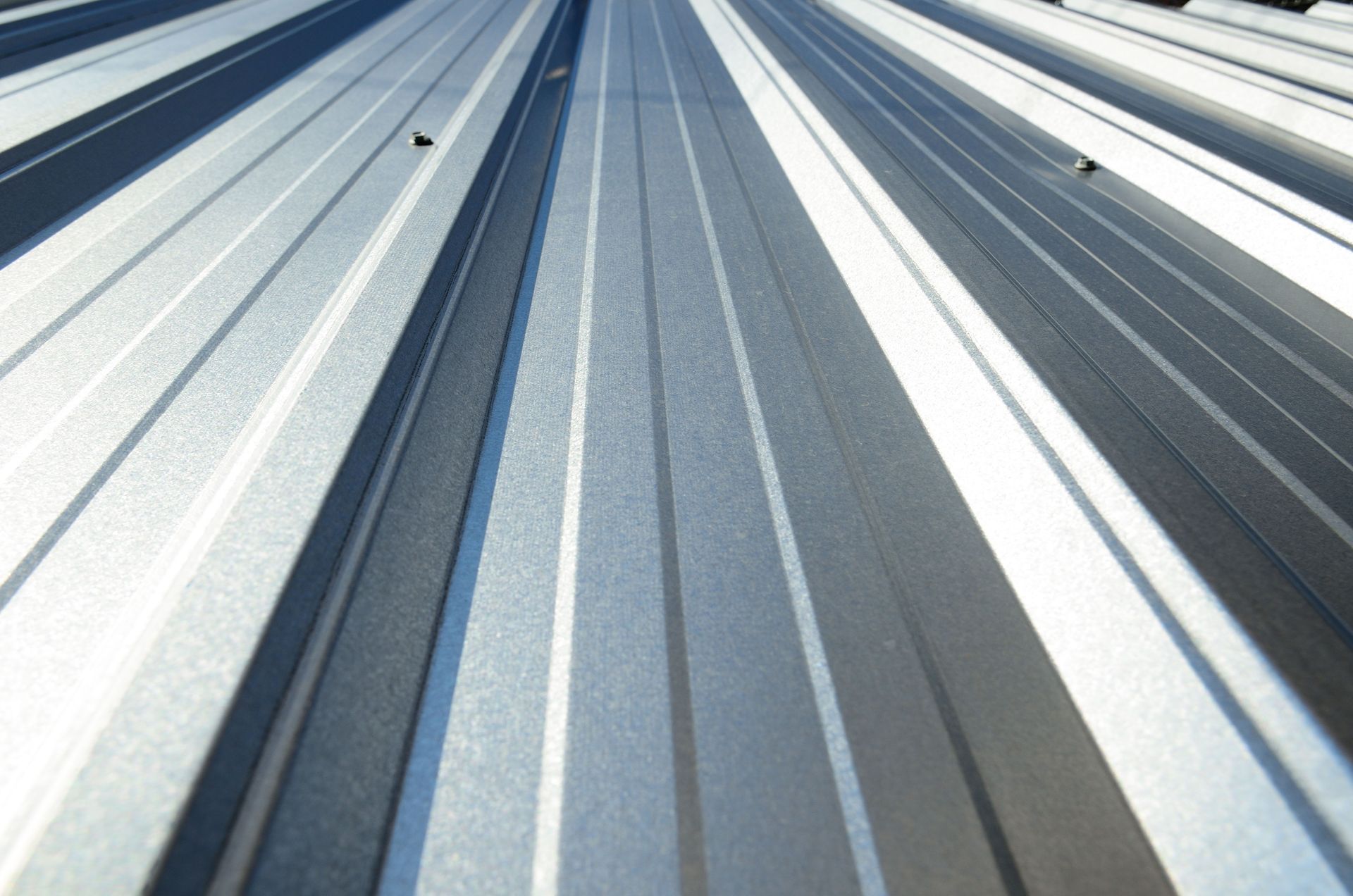
Conversely, alternative materials like clay tiles, slate, and standing seam metal panels offer superior thermal performance through natural insulation or rapid heat dissipation. Metal roofs reflect a high percentage of solar energy away from the structure, while concrete and clay tiles create natural air channels underneath that buffer heat transfer into interior spaces. Consulting experienced contractors for roof repair ensures that existing material layers are evaluated for thermal effectiveness, helping homeowners choose materials that align with regional climate demands and energy conservation goals.
Evaluating Surface Coloration and Maximizing Solar Reflectance
Evaluating surface coloration and choosing high-reflectance shingle options significantly reduces summer cooling demands across residential properties. Light-colored roofing surfaces—such as crisp white, light gray, or reflective beige tones—reflect a massive portion of visible and infrared solar radiation away from the home. Darker surfaces absorb nearly all incoming solar thermal energy, causing surface temperatures to skyrocket and baking structural decking during peak afternoon hours.
Modern cool roofing technology incorporates specialized solar-reflective granules into standard asphalt shingles, allowing even darker color options to bounce infrared heat rays away efficiently. Installing cool shingles lowers surface temperatures dramatically, preventing extreme heat buildup in upper attics and reducing the workload on residential air conditioning systems. Scheduling professional roof repair allows technicians to replace damaged, heat-damaged shingles with advanced cool-roofing materials, lowering indoor cooling expenses during warm summer months.
Analyzing Market Scale and Tracking National Roofing Trends
Analyzing national roofing trends and market scale highlights the continuous investment homeowners make to preserve structural integrity and improve home efficiency. Across every region, property owners regularly upgrade aging, inefficient upper decks to lower utility expenses, elevate curb appeal, and protect interior living spaces from weather damage. Understanding the sheer volume of roofing work conducted nationally illustrates how critical roof maintenance is to maintaining residential housing equity.
Industry data confirms the massive scale of residential roof replacements and upgrades occurring annually across the country. According to RubyHome, approximately five million roofs are replaced or installed across the country annually. Partnering with reputable specialists for roof repair ensures that whether a homeowner undertakes a complete replacement or targets specific structural leaks, maintenance work adheres to high energy-efficiency standards and modern building codes.
Balancing Attic Ventilation and Preventing Heat Accumulation
Balancing intake and exhaust ventilation within attic spaces preserves structural wood decking while regulating interior home temperatures year-round. An unventilated or poorly ventilated attic acts as a massive thermal reservoir during summer months, trapping superheated air that bakes upper-ceiling drywall and radiates heat directly into second-story bedrooms. In winter, trapped indoor humidity condenses against cold roof decks, fostering mold growth and compromising insulation performance.
A properly engineered ventilation system utilizes continuous soffit intake vents combined with ridge exhaust vents along the roof peak, allowing cool outdoor air to sweep through the attic naturally. Continuous airflow flushes out trapped heat and moisture, maintaining an attic environment that mirrors outdoor ambient temperatures closely. Arranging expert roof repair addresses blocked intake vents, damaged exhaust caps, and improper attic airflow paths, ensuring that balanced ventilation protects your home's thermal envelope across every season.
Inspecting Underlayment Barriers and Stopping Air Infiltration
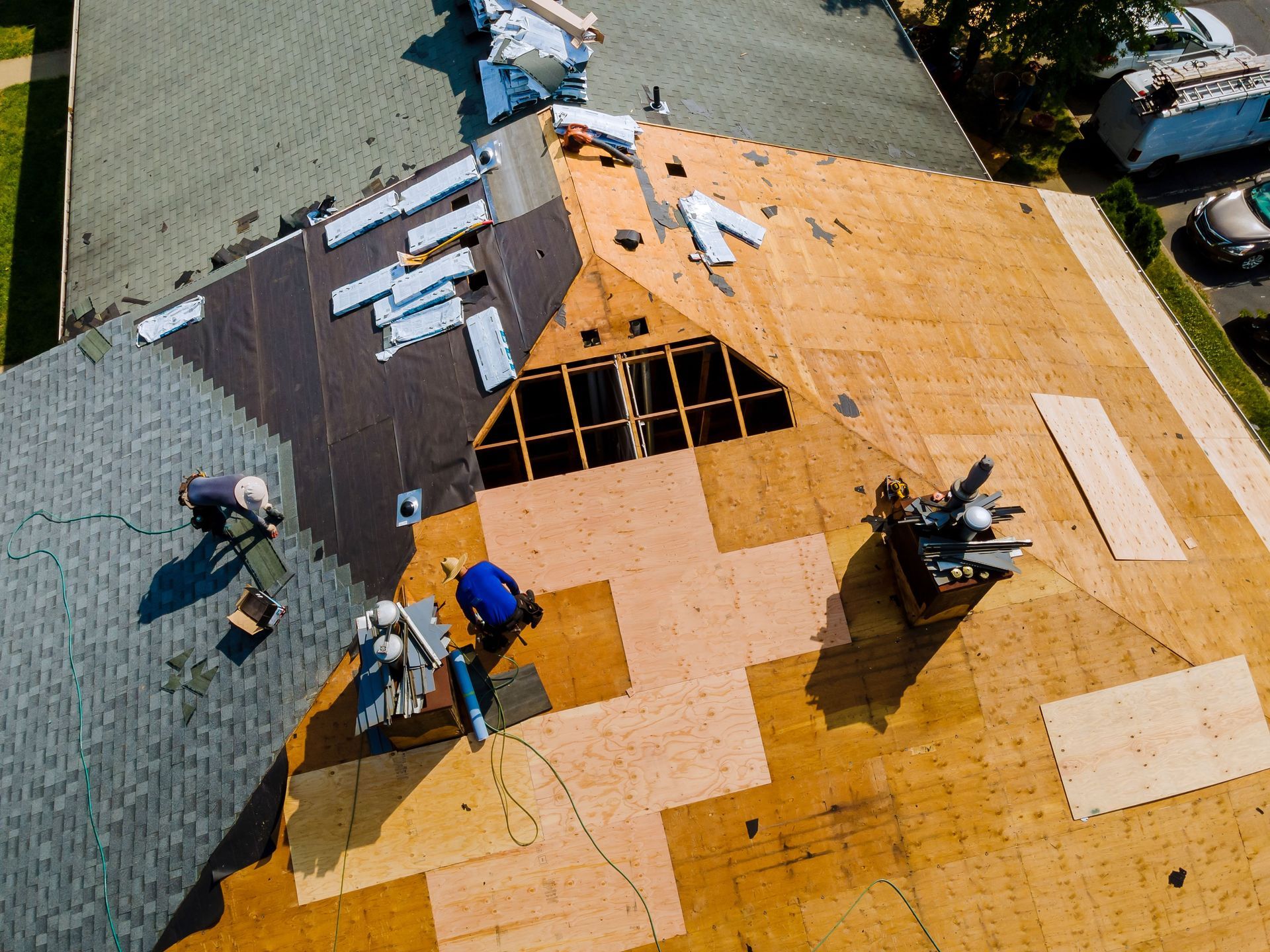
Inspecting weather-resistant underlayment membranes and air barriers prevents unconditioned outdoor air from penetrating structural roof joints and entering living spaces. Beneath visible surface shingles sits a continuous layer of protective underlayment that serves as a vital secondary defense against moisture infiltration and air leakage. Aging, torn, or improperly installed underlayment allows cold winter drafts and hot summer humidity to seep through microscopic gaps in the wooden roof deck.
Advanced synthetic underlayment materials offer superior air-sealing capabilities and tear resistance compared to traditional felt paper, blocking wind-driven draft infiltration while preventing water entry around fastener shanks. Furthermore, sealing roof penetrations—such as plumbing stacks, chimney flashings, and skylight curbs—prevents costly thermal leaks. Contracting knowledgeable specialists for roof repair guarantees that compromised underlayment layers and leaky flashing boots are sealed tightly, preserving interior temperature stability and maximizing home energy efficiency.
Optimizing a home's overall energy efficiency requires a comprehensive approach that recognizes the roof as an active thermal defense system. From selecting materials with low thermal conductivity and choosing high-reflectance cool shingle colors to balancing attic ventilation, sealing underlayment barriers, and preserving dry attic insulation, every component of a roofing system influences household power consumption. Neglecting subtle roof wear—such as cracked flashing, missing shingles, or blocked soffit vents—allows heat and moisture to compromise your home's interior, forcing HVAC equipment to work harder and driving monthly utility bills upward.
At 2nd Chance Roof & Chimney LLC, we are deeply committed to elevating your home's energy efficiency, preserving your property value, and delivering superior roofing and chimney solutions through master craftsmanship, high-grade materials, and dedicated customer care. Our team of certified roofing specialists brings extensive structural expertise, advanced thermal inspection tools, precision flashing installation techniques, and meticulous attention to detail to every complete roof replacement, chimney repair, attic ventilation upgrade, leak repair, and professional roof repair project we execute across our community. We take immense pride in evaluating your unique roof geometry, analyzing attic airflow dynamics, inspecting structural decking integrity, and serving as your trusted home improvement partner to bring total weather protection, lower energy costs, and enhanced equity to your residence. Furthermore, our company prioritizes clear communication, transparent project estimates, clean jobsite management, and exceptional service performance from initial site inspection through final cleanup walkthrough. We carefully examine every shingle course, ridge vent, flashing seal, and underlayment barrier to guarantee maximum structural durability, energy efficiency, and complete homeowner satisfaction. Contact us today to schedule your comprehensive roof consultation and discover the true value of working with dedicated local roofing specialists.