November 13, 2026
Choosing the right roofing material is an important part of planning a new structure. Whether constructing a home, workshop, garage, or another building, the roof must provide dependable protection while complementing the property's overall design. With several roofing materials available, comparing their durability, maintenance requirements, and long-term value can help property owners make an informed decision.
The decision can influence everything from ongoing maintenance expenses to the building's ability to withstand changing weather conditions. Selecting a suitable material during the construction phase also allows the roofing system to be designed around the structure's specific needs. Metal roofing has become an appealing option for new construction because of its impressive lifespan, weather resistance, energy efficiency, and versatility. Understanding these advantages can help property owners determine whether this material is the right investment for their building.
Metal Roofing Offers Exceptional Durability and Longevity
Enjoy a Roof That Can Last for Decades
One of the primary reasons roofers recommend metal roofing for new structures is its impressive longevity. While every roofing material has a different expected service life, metal systems are known for maintaining their performance over several decades. According to This Old House, metal roofing can last two to three times longer than conventional asphalt shingles. This extended lifespan makes it an attractive option for property owners who want to minimize the frequency of major roofing projects.
A longer-lasting roof can also provide considerable financial advantages. Although metal roofing may have a higher initial installation cost than some traditional materials, its extended service life can make the investment worthwhile. Property owners may avoid multiple replacement projects over the building's lifetime, reducing expenses associated with purchasing materials, scheduling labor, and removing old roofing systems. Considering these long-term costs can provide a more accurate picture of a roof's overall value.
Withstand Challenging Weather Conditions
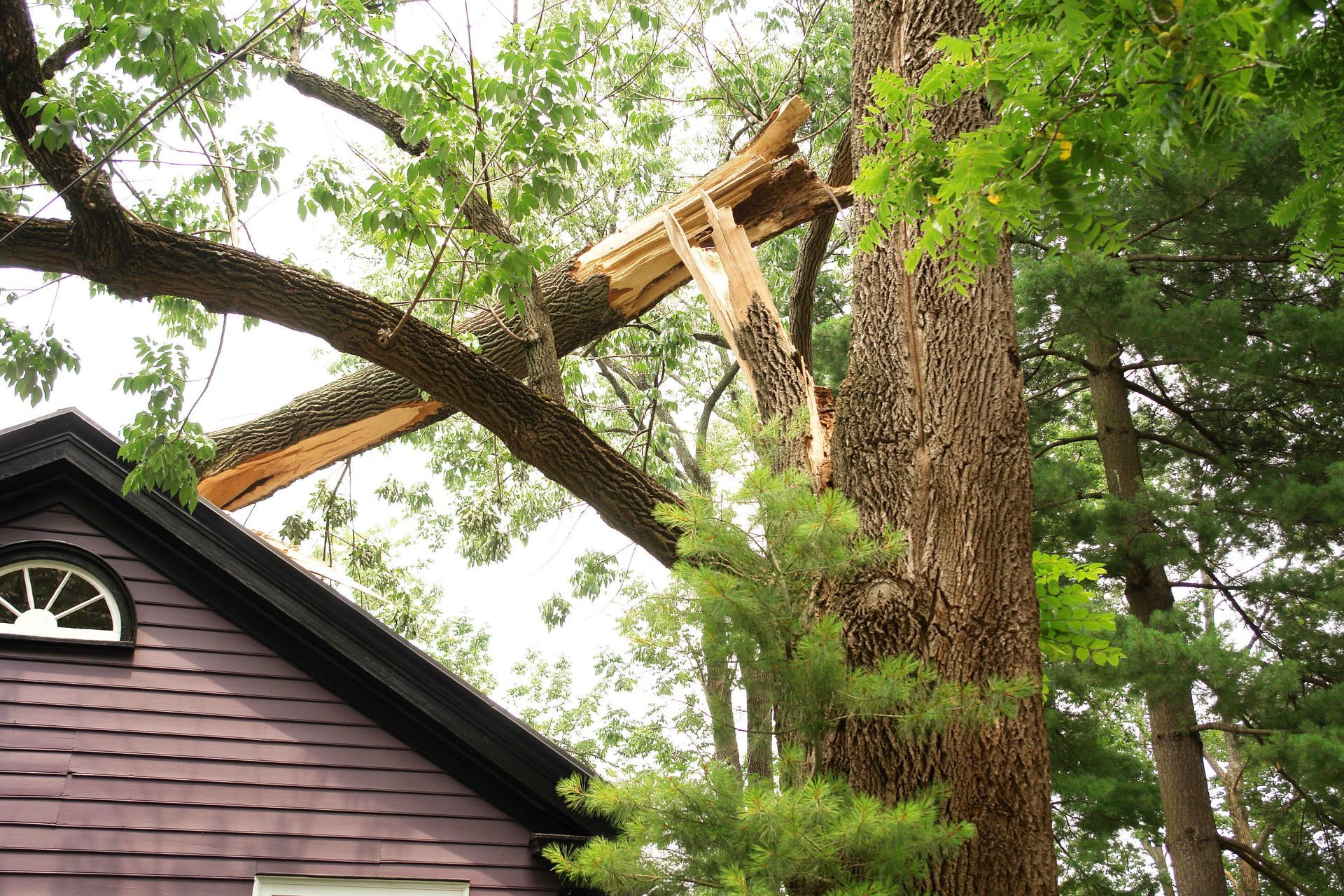
Another advantage of metal roofing is its ability to withstand various environmental conditions. Rain, snow, strong winds, and temperature fluctuations can gradually compromise roofing materials, potentially leading to leaks and structural damage. Metal panels are designed to provide a durable exterior barrier that helps protect the building against these challenges. When properly installed, they can resist many forms of weather-related deterioration.
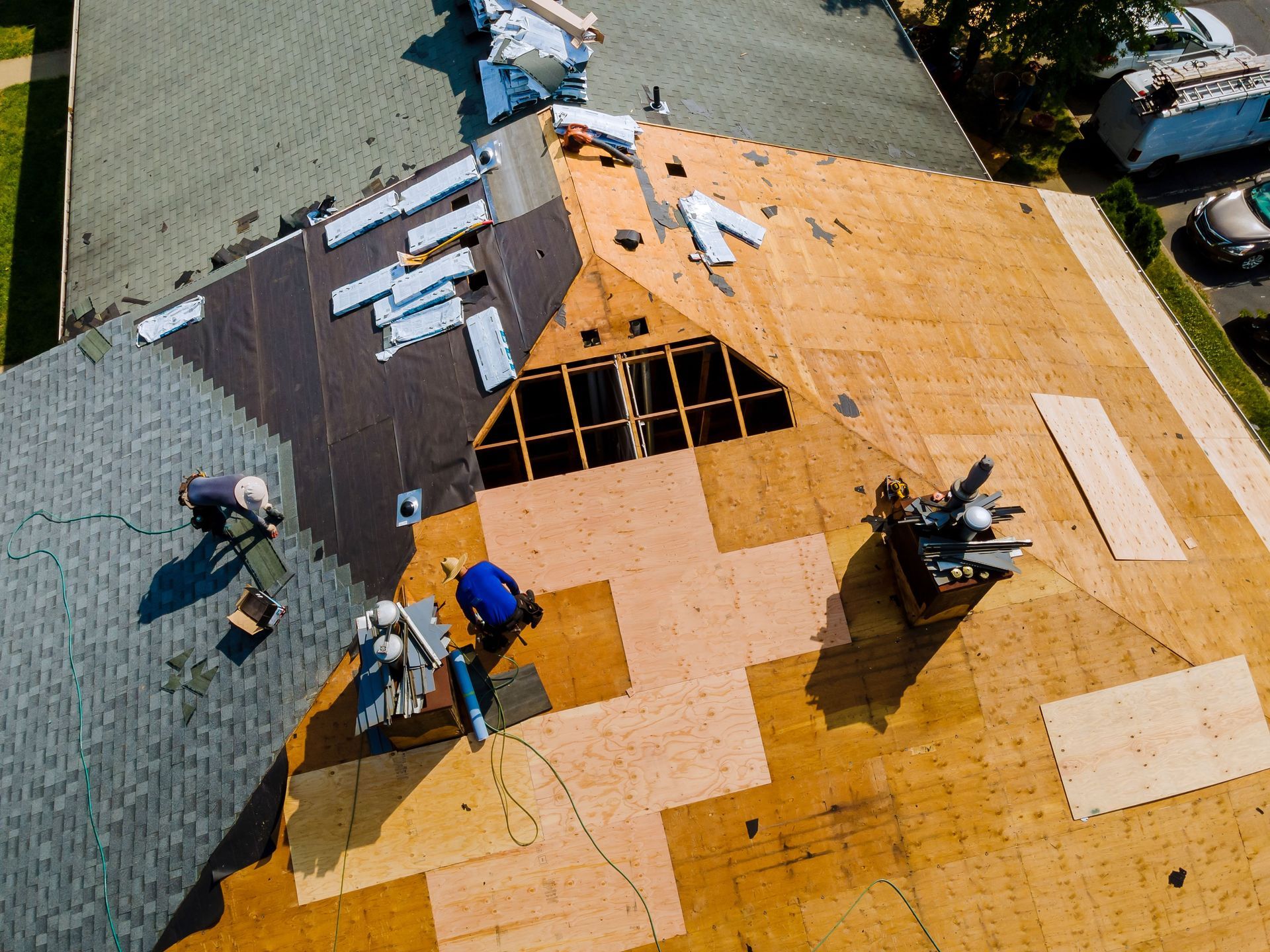
Metal roofing also offers resistance to common problems associated with other materials, including cracking, shrinking, and erosion. Its durable construction helps maintain the roof's protective qualities despite regular exposure to outdoor conditions. However, proper installation remains essential for achieving these benefits. Experienced roofers understand how to secure panels, address vulnerable areas, and account for drainage requirements to help prevent moisture from entering the structure. Selecting an appropriate metal roofing system for the property's climate can further support its long-term performance.
Metal Roofing Can Improve Energy Efficiency and Building Safety
Reduce Heat Absorption and Energy Expenses
Energy efficiency is another important consideration when selecting roofing materials for a new structure. Metal roofing can contribute to better temperature regulation because many metal surfaces reflect a portion of the sun's radiant energy rather than absorbing it. This characteristic may help limit heat buildup inside the building during warmer months, potentially reducing the workload placed on air conditioning systems. For structures with significant cooling requirements, these potential savings can make metal roofing particularly appealing.
The roofing assembly also plays an important role in overall energy performance. Proper insulation, ventilation, and underlayment work together to help maintain comfortable indoor temperatures throughout the year. Roofers can evaluate these components during the planning process and recommend an installation approach that complements the building's design. Selecting suitable finishes and coatings may also improve the roof's reflective properties, depending on the specific product. By considering the entire roofing system rather than the exterior material alone, property owners can make choices that support greater energy efficiency.
Enhance Fire Resistance and Overall Protection
Safety is another reason metal roofing may be recommended for new construction. Metal is generally noncombustible, meaning it does not ignite or contribute fuel to a fire in the same way as many combustible building materials. This characteristic can provide an additional layer of protection, particularly in areas where wildfire exposure or other fire hazards are concerns. Although a metal roof cannot make an entire building fireproof, its material properties can contribute to a more fire-resistant roofing assembly.
Metal roofing can also help protect the structure against moisture-related damage when installed correctly. Properly fitted panels, flashing, fasteners, and drainage components work together to direct water away from vulnerable areas. This is especially important around roof penetrations, valleys, and edges, where improper installation can create opportunities for leaks. Experienced roofers pay close attention to these details to establish a dependable weather barrier. Combining fire-resistant materials with effective moisture management can help property owners create a safer and more resilient structure.
Metal Roofing Provides Versatility and Long-Term Value
Complement Different Architectural Styles
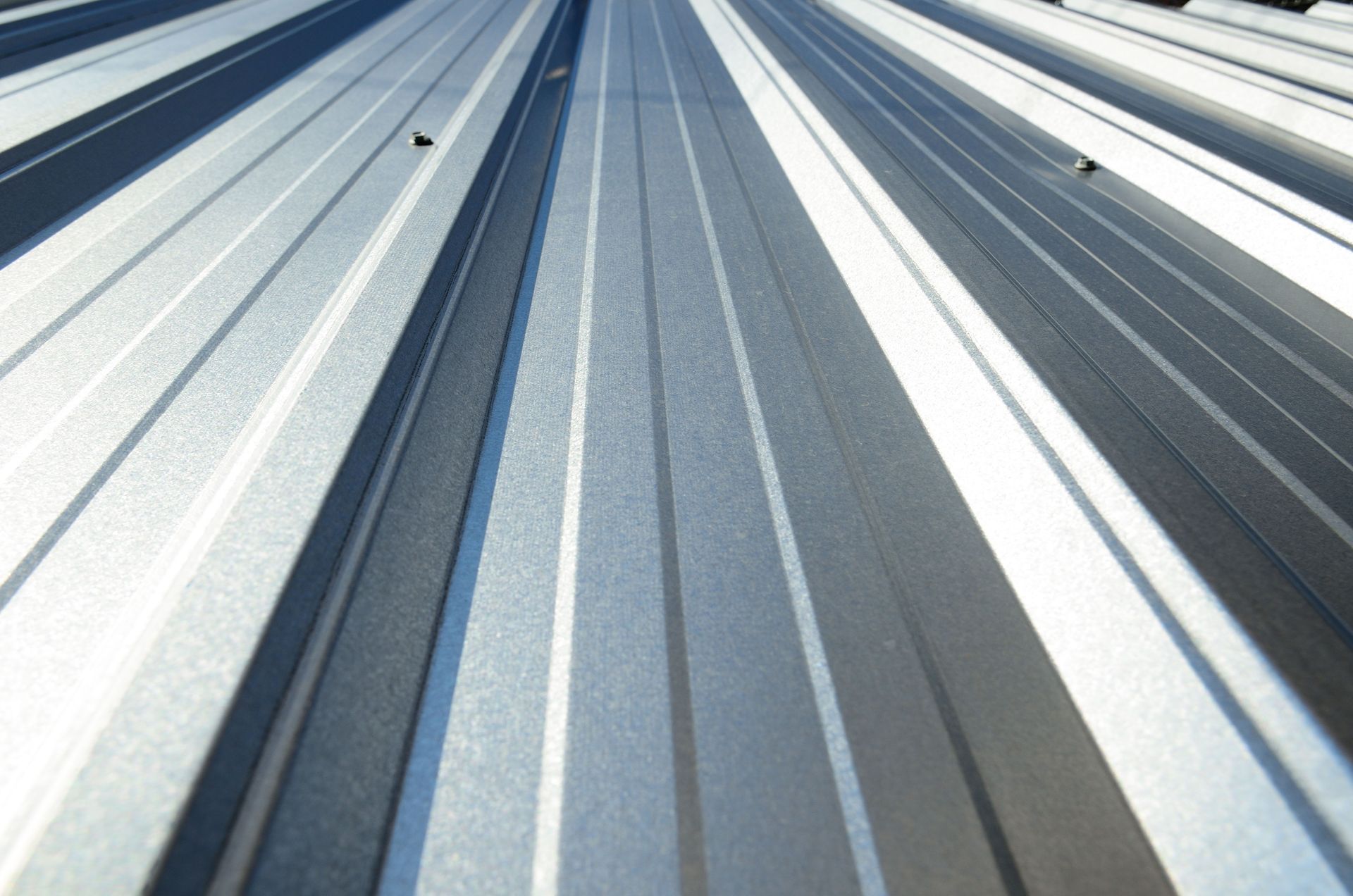
Metal roofing is available in various profiles, colors, and finishes, making it suitable for a wide range of architectural designs. Although some people associate metal roofs exclusively with industrial buildings or agricultural structures, modern options can complement traditional and contemporary properties alike. Standing seam panels, for example, offer clean lines that work well with modern architecture, while metal shingles can provide an appearance similar to conventional roofing materials.
This variety allows property owners to coordinate the roof with exterior siding, trim, windows, and other design elements. The right selection can enhance the building's visual appeal while maintaining the practical benefits associated with metal roofing. During the planning process, roofers can explain the differences between available materials and profiles, helping property owners identify an option that meets their functional and aesthetic preferences. Considering the building's architectural style early can also make material selection and installation planning more straightforward.
Minimize Maintenance and Support Property Value
Compared with many traditional roofing materials, metal generally requires relatively little routine maintenance. Its resistance to common forms of deterioration can reduce the need for frequent repairs, although periodic inspections remain important. Property owners should still monitor the roof for loose fasteners, damaged flashing, accumulated debris, and other issues that could affect its performance. Addressing minor concerns promptly can help preserve the roofing system and prevent more extensive problems from developing.
Metal roofing can also contribute to a property's overall appeal and potential resale value. Prospective buyers may appreciate a durable roofing system that offers an extended service life, weather resistance, and energy-saving potential. Additionally, metal roofing is commonly made from recyclable materials, making it an appealing consideration for property owners interested in reducing construction waste and supporting more sustainable building practices. When evaluating the overall investment, roofers can explain how material quality, installation methods, and maintenance expectations influence the roof's expected performance. These considerations help property owners understand the value of choosing a material designed for long-term use.
Selecting a roofing material involves balancing upfront costs, expected lifespan, performance, and appearance. Metal roofing offers several advantages that make it worth considering for new construction, including exceptional durability, weather resistance, energy efficiency, fire resistance, and minimal maintenance requirements. Its variety of styles and finishes also allows property owners to achieve an attractive appearance without sacrificing practical benefits.
Working with experienced roofing professionals can make the selection process easier. Qualified roofers can evaluate the building's design, discuss suitable metal roofing options, and provide guidance on proper installation. With the right materials and workmanship, a metal roof can provide dependable protection and lasting value. Contact 2nd Chance Roof & Chimney LLC to discuss your metal roofing options and request a free estimate for your new structure.