November 23, 2026
A damaged roof does not always need to be replaced, but waiting too long to address a problem can lead to expensive repairs inside the home. The right decision depends on the roof's age, the condition of its materials, and how far the damage extends. Understanding these factors can help homeowners discuss realistic options with roofing companies instead of assuming that either a quick patch or a complete replacement is the only answer.
Consider the Roof's Age and Materials
Review the Expected Service Life
Roofing materials age at different rates. Many asphalt shingle roofs last roughly 15 to 30 years, depending on shingle quality, installation, ventilation, and weather exposure. Metal, slate, and tile can last considerably longer, although individual components may still need repairs. A roof's installation date provides useful context, but age alone cannot determine whether it is sound. A relatively new roof installed incorrectly can develop serious leaks, while an older roof may remain serviceable if it has been maintained.
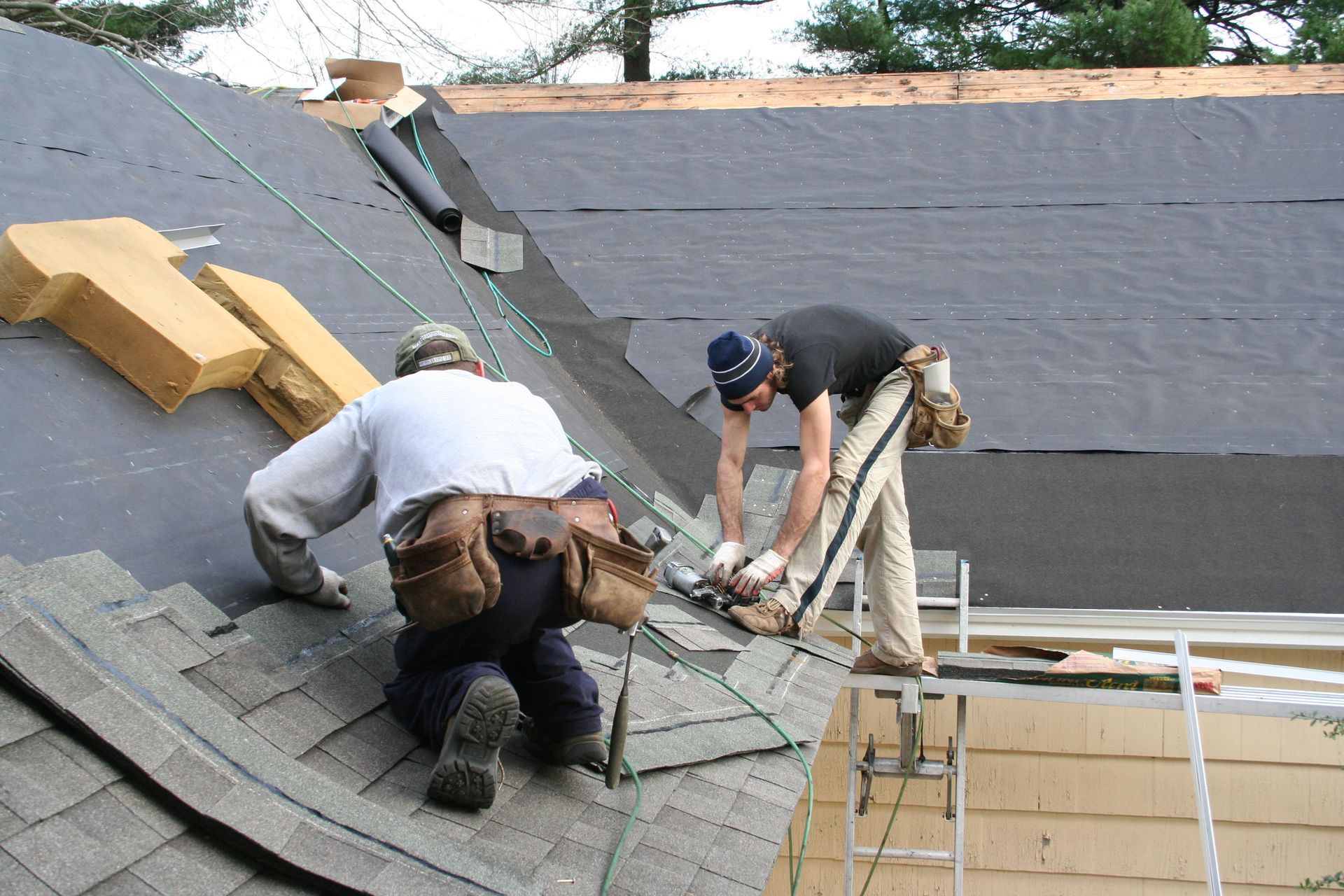
According to This Old House, if a roof is less than 10 to 15 years old and the damage is minimal, a repair may extend its lifespan and avoid the higher expense of a full replacement. That guidance is a starting point rather than a guarantee. An inspection must also consider the condition beneath the visible roofing material and whether the damage is isolated.
Notice Signs of Normal Aging
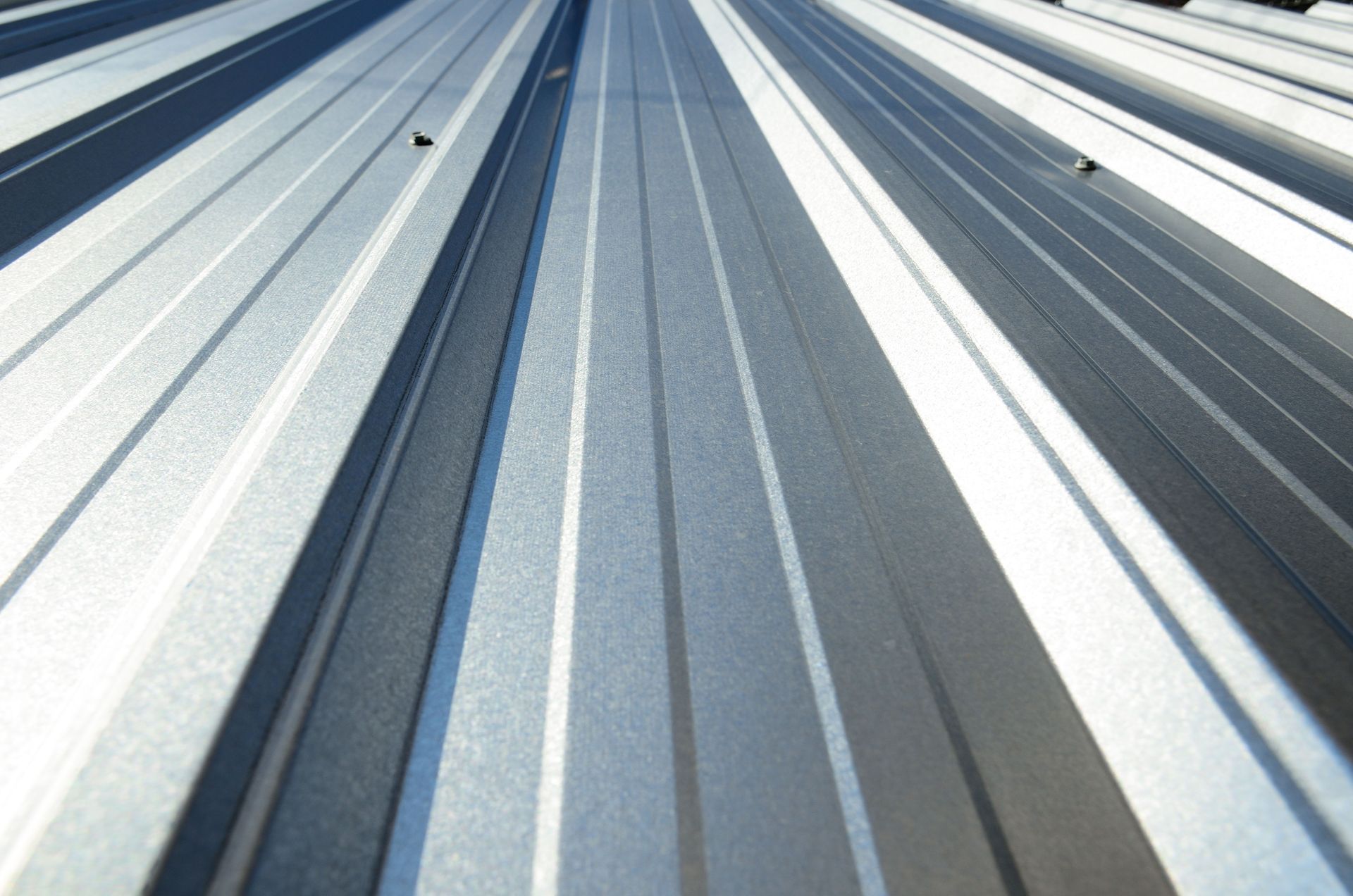
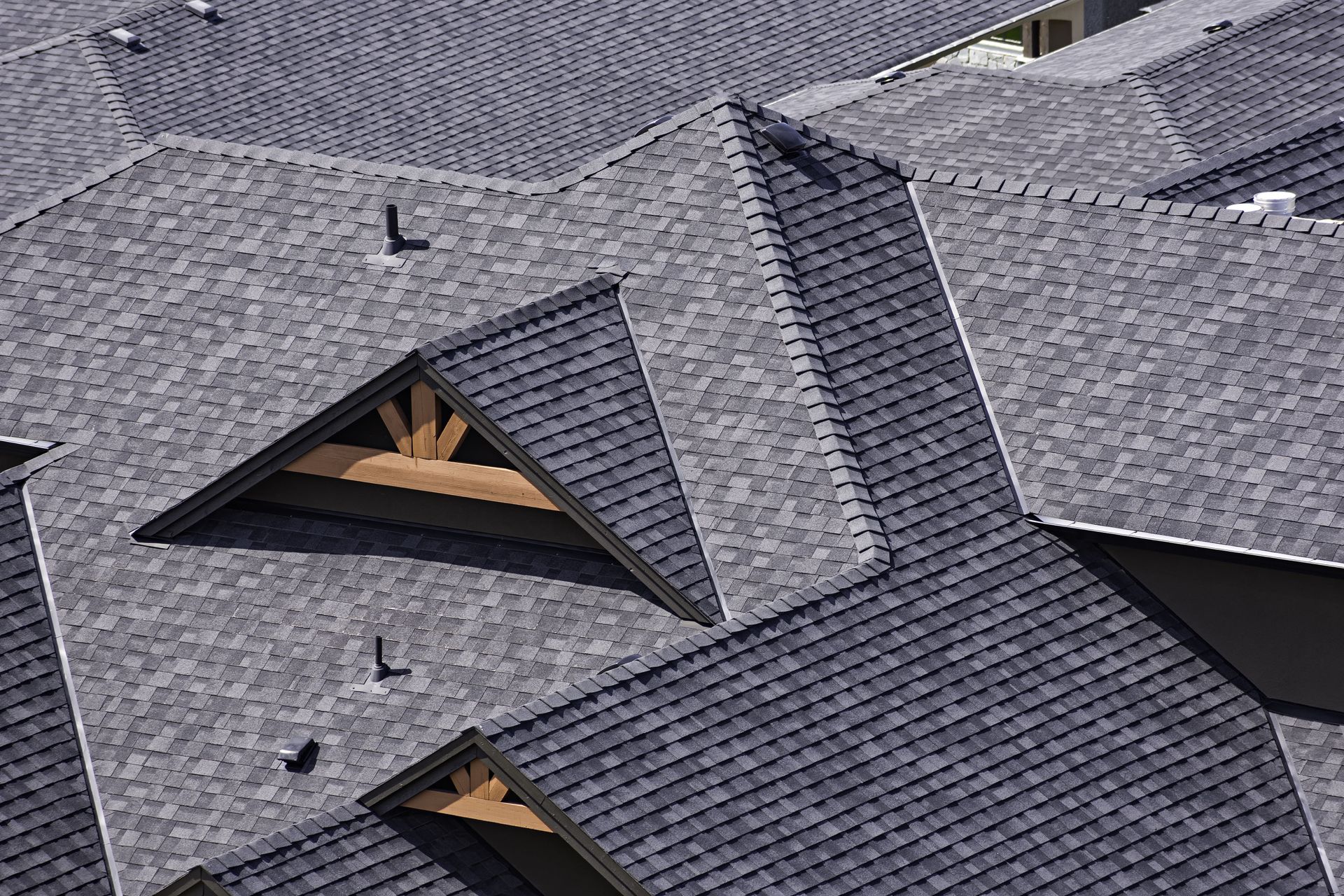
Asphalt shingles may curl, crack, lose protective granules, or become brittle over time. Some discoloration is cosmetic, but widespread deterioration suggests that repairs may offer diminishing benefits. Metal panels should be checked for damaged coatings, loose fasteners, and failing seams. Roofing companies can explain which changes reflect ordinary aging and which threaten the roof's ability to shed water.
Identify How Much Damage Is Present
Separate Localized Problems From Widespread Wear
A handful of shingles displaced by wind may be repairable when the surrounding roof remains in good condition. Similarly, an isolated flashing problem around a vent or chimney might be corrected without disturbing large sections of roofing. A different approach may be needed when shingles are missing across several slopes, repeated leaks appear in separate rooms, or the roof deck shows extensive damage. What looks minor from the yard may be more involved once a professional examines it closely.
Inspect Without Taking Unnecessary Risks
Homeowners can look for missing shingles, loose gutter sections, and damaged flashing from the ground. Inside, check ceilings and attic areas for stains, damp insulation, or a musty smell, using safe access and adequate lighting. Photograph anything unusual and note when it appeared, particularly after a storm. Avoid climbing onto the roof or trying to lift shingles for a closer look. Roofing companies have appropriate access equipment and can investigate conditions that are difficult to assess safely from below.
Find the Source of Leaks and Moisture
Look Beyond the Visible Stain
Water does not always enter directly above the spot where a ceiling becomes discolored. It can travel along framing or insulation before appearing indoors. Roof penetrations, wall intersections, flashing, and drainage details are common places to investigate. A stain that dries between storms is not evidence that the underlying problem has disappeared. If water is entering near electrical fixtures or the ceiling appears to be sagging, keep clear of the area and seek appropriate help promptly.
Check for Hidden Damage
Leaks left unresolved may damage roof decking, insulation, and interior finishes. Repairs should address both the entry point and any affected materials rather than simply covering the stain. A professional assessment can determine whether the roof structure is sound and whether moisture has spread beyond one section. This matters when comparing repair estimates: replacing a few shingles is different from correcting extensive water damage beneath them.
Not every damp area is caused by a roof leak. Condensation from poor ventilation or a plumbing problem can leave similar marks, so identifying the moisture source matters before work begins. Roofing companies can examine roof-related possibilities and explain when another trade should investigate. Asking for photographs of any suspected damage can also help homeowners understand the findings and make a decision based on evidence rather than guesswork.
Compare the Scope of Repair and Replacement
Consider What a Repair Would Resolve
A well-planned repair targets a specific cause, such as damaged shingles, failed flashing, or an isolated leak. Ask what materials will be replaced, how the new work will connect to existing roofing, and whether color or product differences will be visible. Repairs often make sense when the surrounding roof has substantial useful life remaining. If the same problem returns repeatedly, however, another patch may not be a lasting solution.
Evaluate the Benefits of Starting Fresh
Replacement becomes more compelling when deterioration is widespread, multiple repairs are needed, or the roof is approaching the end of its expected lifespan. A new system may also allow damaged underlayment and decking to be addressed during installation. Still, replacement is a major project, and it should be justified by the roof's actual condition. Reputable roofing companies should be able to explain why they recommend one option over the other and what evidence supports their advice.
Understand the Limits of Temporary Repairs
Protect the Home During an Emergency
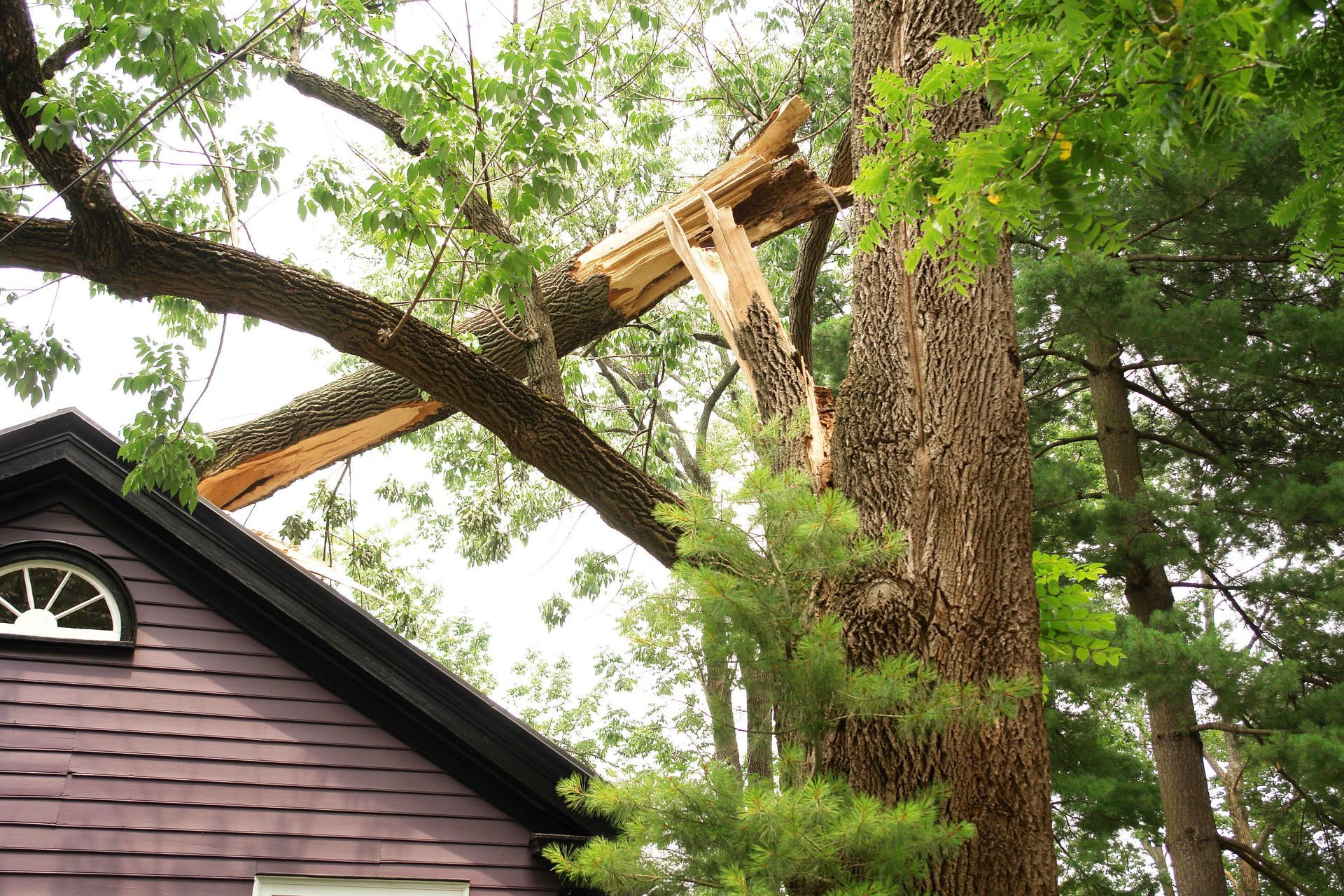
After a storm, damaged roofing may need temporary protection while the weather improves or a full assessment is arranged. A properly installed tarp can limit water entry, but accessing a wet or unstable roof is hazardous. Leave that work to qualified professionals. Indoors, move belongings away from leaks when safe and document visible damage for your records. Temporary protection reduces immediate exposure; it does not repair deteriorated materials or correct the source of a leak.
Plan the Permanent Fix
Ask when a lasting repair can be completed and whether additional inspection is needed once conditions are safe. Keep records of temporary work and any new leaks. If severe weather damaged several parts of the roof,
roofing companies may recommend a broader evaluation before deciding what to replace. Clear expectations help prevent an emergency measure from becoming an indefinite substitute for needed maintenance.
Choose a Practical Long-Term Plan
Compare Written Assessments
Before approving major work, request a written description of the problem, proposed materials, and project scope. Clarify whether flashing, ventilation, gutters, or underlying decking require attention. Ask about permits, warranties, cleanup, and how unexpected damage will be handled. Estimates are easier to compare when they describe the same work rather than different assumptions. A low initial figure is not necessarily better if important repairs have been excluded.
Account for Future Maintenance
Even a new roof needs periodic attention. Keeping gutters clear, watching for missing materials after storms, and addressing moss or debris appropriately can help protect the system. Have a qualified professional check concerns that cannot be viewed safely from the ground. Local weather, tree coverage, and the roof's design will influence maintenance needs. The goal is not to eliminate every future repair but to make a sound decision based on safety, durability, and the home's condition.
Deciding between repair and replacement starts with an accurate diagnosis, not a predetermined solution. An isolated issue on an otherwise healthy roof may call for a targeted fix, while widespread wear or recurring leaks can make replacement more sensible. If you need an assessment of damaged shingles, flashing, or persistent leaks, contact 2nd Chance Roof & Chimney LLC to discuss the condition of your roof and the available next steps.